MIJENTA Maestra Selection No. 3: Seed-Grown Agave & 100 Proof Tequila

October 08, 2026 • 00:04:11
MIJENTA Maestra Selection No. 3: Seed-Grown Agave & 100 Proof Tequila
Tasting Tequila with Brad
MIJENTA Maestra Selection No. 3: Seed-Grown Agave & 100 Proof Tequila

Oct 08 2026 | 00:04:11

/

Show Notes

MIJENTA Maestra Selection No. 3: Seed-Grown Agave & 100 Proof Tequila

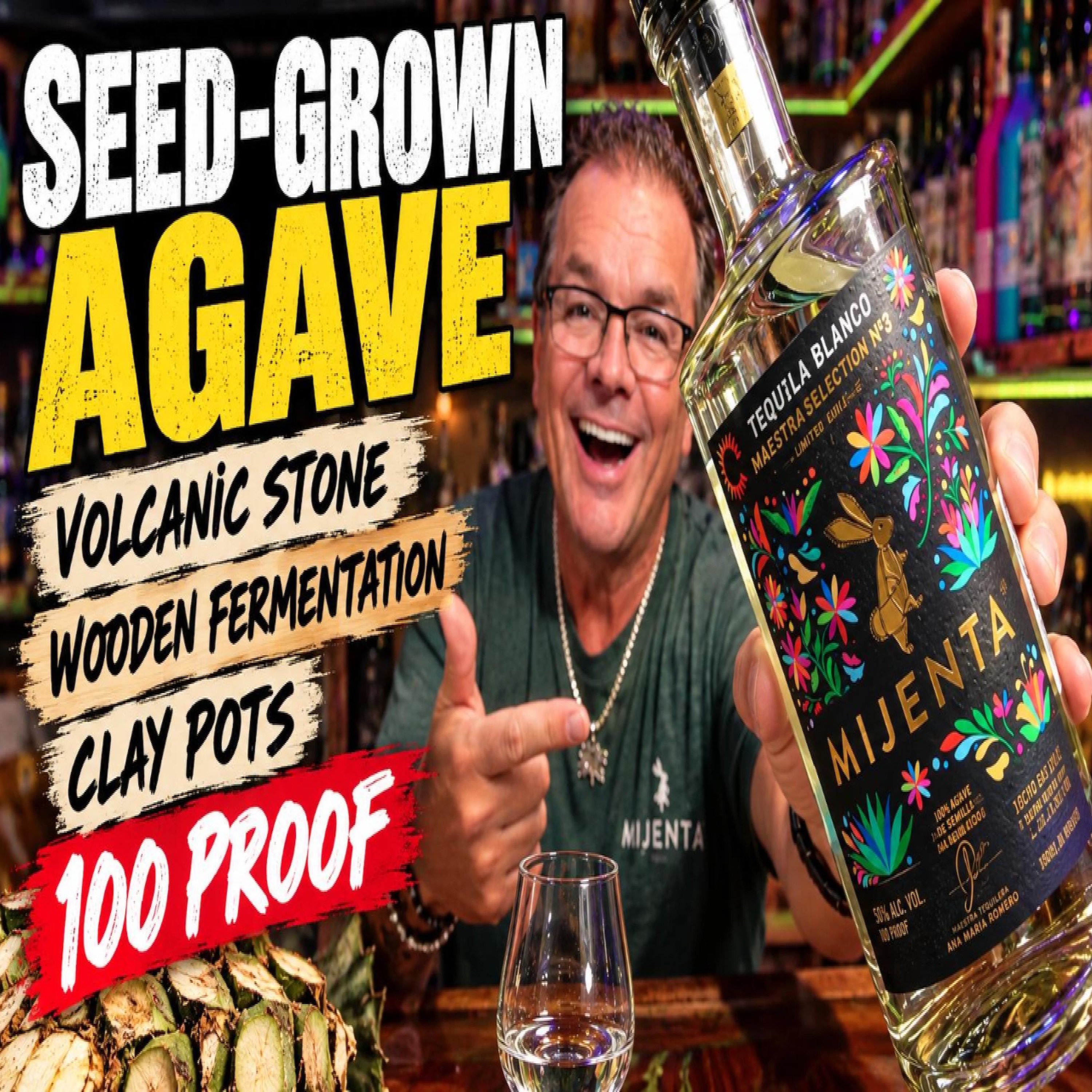
MIJENTA Maestra Selection No. 3 is a 100-proof Tequila Blanco that takes a different approach to traditional tequila production. Made with seed-grown Blue Weber agave, volcanic stone, wooden fermentation tanks, copper pot stills, and clay pots, this limited-edition release brings traditional techniques back into the spotlight.

In this video, we're tasting MIJENTA Maestra Selection No. 3 and exploring what makes its production process so interesting.

The agave is grown from seed in Jamay, Jalisco, near the shoreline of Lake Chapala. It's slowly cooked in a volcanic stone oven, crushed using a tahona made from the same type of stone, and fermented in wooden tanks with the agave fibers left in. After distillation in copper pot stills, the tequila rests in clay pots for 15 days before bottling.

Bottled at 50% ABV (100 proof), this blanco offers a fascinating combination of traditional production methods and a carefully developed flavor profile.

**What does it smell and taste like?**

On the nose, I pick up cooked agave, vanilla, caramel, roasted pineapple, cinnamon, and earthy notes.

On the palate, cooked agave remains at the center, joined by grapefruit, lime, roasted pineapple, floral character, and a distinctive earthy, clay-like minerality. The finish brings pepper, gentle heat, and lingering floral sweetness without overwhelming alcohol intensity.

The seed-grown agave concept is another highlight. Rather than relying exclusively on cloned agave plants, this approach supports greater agricultural diversity and offers a different way to explore the character of Blue Weber agave.

MIJENTA Maestra Selection No. 3 is a fascinating example of how traditional techniques can shape a modern blanco tequila.

Have you tried any of the MIJENTA Maestra Selection releases? Let me know what you think of No. 3 in the comments!

Subscribe to The Tequila Report (FREE):

https://tequilareport.com/subscribe

Follow me:

Instagram: https://instagram.com/tastingtequilawithbrad

Facebook: https://facebook.com/tastingtequilawithbrad

© Tasting Tequila with Brad
View Full Transcript

Episode Transcript

[00:00:00] Seed grown agave, volcanic stone, wooden fermentation, clay pots, and a hundred proof. Mi Genta absolutely went old school on this tequila. This is the new Mijinta Maestra selection number three. And this might be one of the most interesting blancos that they've released yet, because almost everything about the production is built on going back to the roots of tequila. One of the biggest things that immediately caught my attention was is the agave. This is the second Mijenta release using blue Weber agave grown from seed agave de samilla instead of clones like most agave used in tequila production today. These are fully mature agaves grown in Jeme Jalisco, right along the shoreline of Lake Chapala. Mihinta specifically talks about seed grown agave as a way to encourage greater agricultural diversity. And there the production gets even more interesting. These agaves are slowly cooked in an oven made with volcanic stone source from Popo Tetele, and then they're crushed with the tohona made with the same volcanic stone. That alone gives the tequila a really cool story, but they keep it going. Crushed agave is fermented in wooden tanks with fibers left in fermentation, then distilled in copper pot stills. And after distillation, the tequila is stabilized in clay pots for 15 days before bottling. Then Mihenta bottles this at 50% ABV. So we're talking about 100 proof. That combination should make this tequila absolutely amazing. And this isn't something that you see every day, especially from a brand like Mijenta. Most people associate Mijenta with a more polished, modern presentation. This one feels like they intentionally went backward in time with the process while still keeping the refinement you expect from Mi hinta. I just finished an interview with Ana. Hopefully you got to watch it on my YouTube channel. If you haven't, definitely check it out. Because she talks about her whole thought process behind creating this tequila, and even the package continues to tell that story. The label, the gift box, all created by Mexico City artist Sophia Castellanos. And the concept is based around the idea of Anna Marie weaving together flavors, history and technique into one tequila. Now let's get to what's in the glass, dive into this and give it a taste and a nose. I've only tasted this one time, and that was with Anna when we did this show. [00:02:15] And I'm really excited about tasting it again since it's been opened up a little bit. So let's hit it on the nose. Really nice cooked agave, really nice vanilla, a little caramel there's some roasted pineapple, a little bit of cinnamon. There's a nice earthy note there as well. Let's jump into the flavor. [00:02:33] Okay. Kind of the same that I got in the nose, Coca kabe. But this earthy clay note really kind of stands out. There's really nice a grapefruit. There's some lime. There's a touch of, like roasted pineapple. Also, it's floral. You got this earthy minerality that you got on the nose. But I also get in the palate. But now I get these fruit notes, that wet kind of wet earth clay, and a really nice floral note. This is. This is really fantastic. I like the minerality. And then in the finish, there's this pepper comes in. That floral is there and the sweetness is really nice as well. This is. This is an all star Tequila. To me, this is a really great sipper. Now, you would think at 100 proof, 50% ABV, this would just blast you with alcohol, but the really cool thing is, is you really don't get this big hit of alcohol in both the nose or the palate. It's not overly hot in the mouth, and the finish has just got a nice little pepper, kind of a concrete, earthy, floral finish. That's just really nice. The idea that she had behind this tequila, I think, is amazing. The artwork on this, of course, is beautiful. The idea of growing the agave from seed and helping build a little more diversity in agave, to me is really cool. I wish other brands would kind of step up and do this as well. I think it's really neat. You see this? Pick it up. It's a great one. I'd love to hear from you guys if you've had any of the Mi Genta Maestra selections. Number three, I think, to me so far is the best one. Number two is pretty amazing, but I think this one actually delivers a little more an old school tequila profile in the glass. So cheers. Let me know if you've had this one and what you think. I'm going to finish this glass off. Have a fantastic night.

Other Episodes

Episode

February 26, 2026 • 00:05:36
Episode Cover

This Isn’t Tequila… It’s Fermented Mango Distilled in Mezcal Stills

This isn’t tequila. It’s fermented mango distilled in traditional wood-fired mezcal stills in Oaxaca. Benhez Mango Distillate is not agave, not mezcal, and not...

Listen

Episode

July 06, 2026 • 00:04:56
Episode Cover

Astral Tequila Blanco Review | Original NOM 1137 vs New NOM 1607 | Is It Still Worth Buying?

Astral Tequila Blanco Review | Original NOM 1137 vs New NOM 1607 | Is It Still Worth Buying? What happens when an artisanal tequila...
Listen

Episode

July 03, 2025 • 00:49:51
Episode Cover

From Wisconsin to Jalisco: Jake Taylor Builds Manuscrito Tequila

Join me as I sit down with Jake Taylor, co-founder of Manuscrito Tequila, to discuss the brand’s creation and its mission to deliver truly...
Listen