Episode Transcript
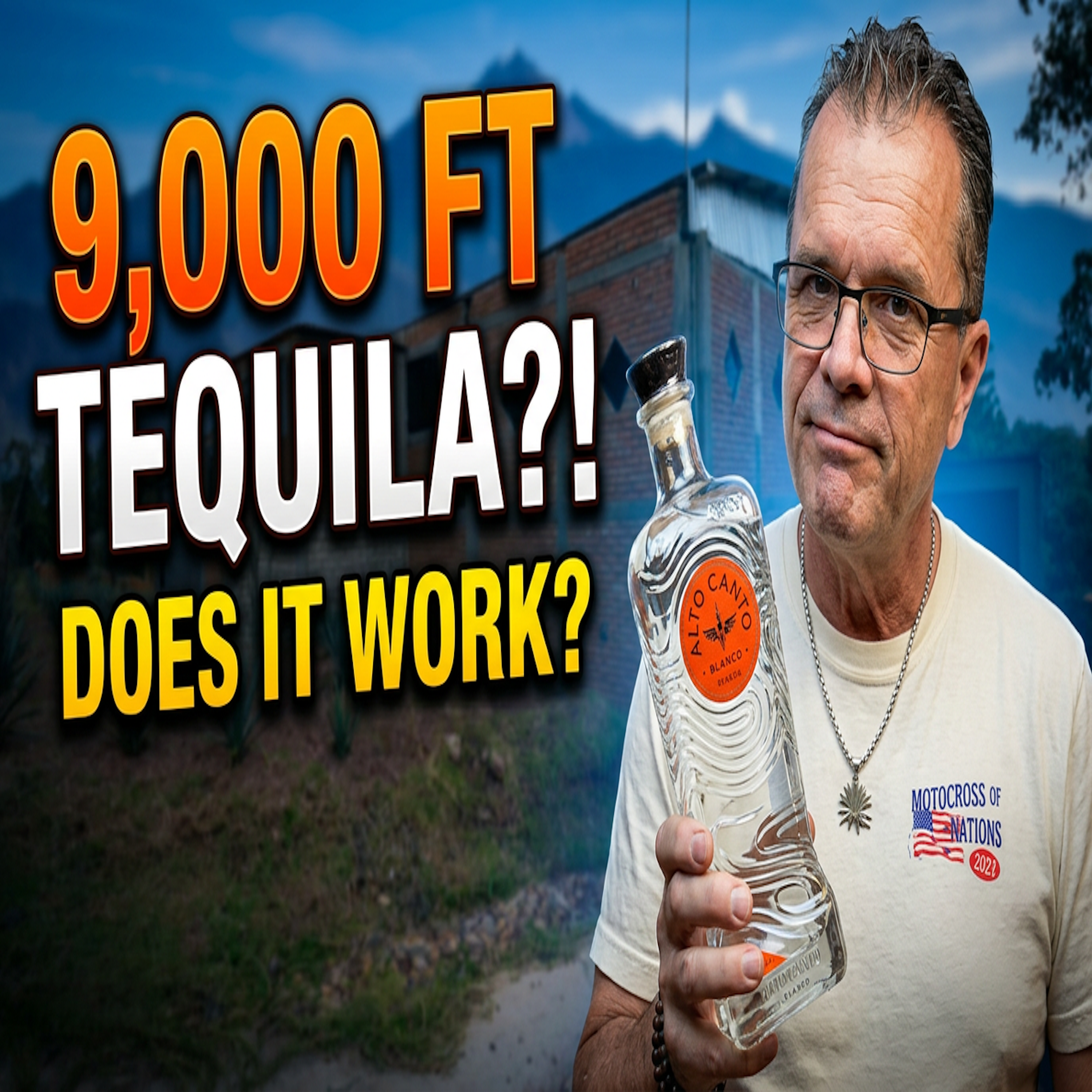
[00:00:00] This tequila is made at 9,000ft up in the mountains. Fermentation tanks in cold mountain air, tiny brick ovens, copper pots still, and they even play classical music during fermentation. Sounds crazy, right? Does it actually make the tequila better? Today we're going to taste Alto Canto Blanco. Hey, guys, I got to tell you, I got this from Flavier, the Maestro del Agave plan. It was a subscription to the website where you get a couple of tequilas every other month. You get to sit down with Grover and Scarlett and they do a teaching. And the teaching that they did on this one was about fermentation, which they call the flavor factory. So today we're going to talk a little bit about how this tequila is made, and then we're going to give it a quick review. Truly, this is one of the most unusual tequila stories I've came across recently. Alto Canto Blanco. And honestly, the story behind the distillery is almost as interesting as the tequila itself. They said this distillery small. I haven't been there, but when I ask him about small, they're like, no, look. Really, really small. The distillery is 9,000ft above sea level up in the mountains. They're not really given a lot of tours there yet because it's difficult to even get the facility. 9,000ft is extremely high for tequila production at that elevation. It changes everything. The air is cooler, the fermentation slows down. Even the boiling point of water changes at that altitude, which can influence distillation. So. So the environment itself becomes part of this tequila. Now let's talk about how the tequila is made. Agave is cooked in traditional brick ovens. The extraction is done at the tohona, which is one of the oldest ways to crush agave. It is fermented in open air wood tanks with agave fibers included. And one of the coolest things is they play the classical music during fermentation. Distillation happens in copper pot stills and then bottles at 40% ABV tequila in this one. Although the distilleries in the highlands, it's all vaez agave, the tequila is organic and kosher. So overall, this is a very traditional style with vayas agaves made in the highlands. All right, let's get this one in the glass.
[00:02:09] All right, here we go. All right, on the nose. The first thing you get is cooked agave and citrus, lots of lime and a really bright fresh smell. But there's dry grass or hay smell, almost like walking through a freshly cut hay field that is dried in the sun. There's some Pear, some minerality, some limestone notes. All right, let's take a taste of this one.
[00:02:32] Great mouthfeel, great texture, nice oily citrus cooked agave. First I pick up a little bit of that grassy note that I got in the nose, and it's really balanced. Like, it gets you on both sides of the mouth. I haven't had a tequila do that in a while. It's creamy, it's buttery. And in the finish, I pick up this really nice soft vanilla note. And the finish is long. It just kind of hangs on. You feel it in the back of your mouth. It's not like a strong pepper. It's like a soft vanilla with a little bit of coked agave there and this nice grassy minerality note. One of the things I like about Oto Canto Blanco is they're being traditional to their roots and they're being who they really are in this really high elevation single nom. This one's made at NAM 1636. It's the only product that's coming out of Nussnaab. And one of the cool things they do with the bottle is the design on the bottle is actually the topography of where the distillery is. This thing is agave. Traditional tequila production. The environment and the methods are really showing through here. If you're someone who really, really appreciates a traditional Valles agave made in a way that it highlights all of the flavors of that agave, this one is probably for you. If you enjoy reviews about tequila's interviews with tequila makers, and deep dives into the agave spirits, make sure you like and subscribe. And as always, sip wisely. Cheers.