Episode Transcript
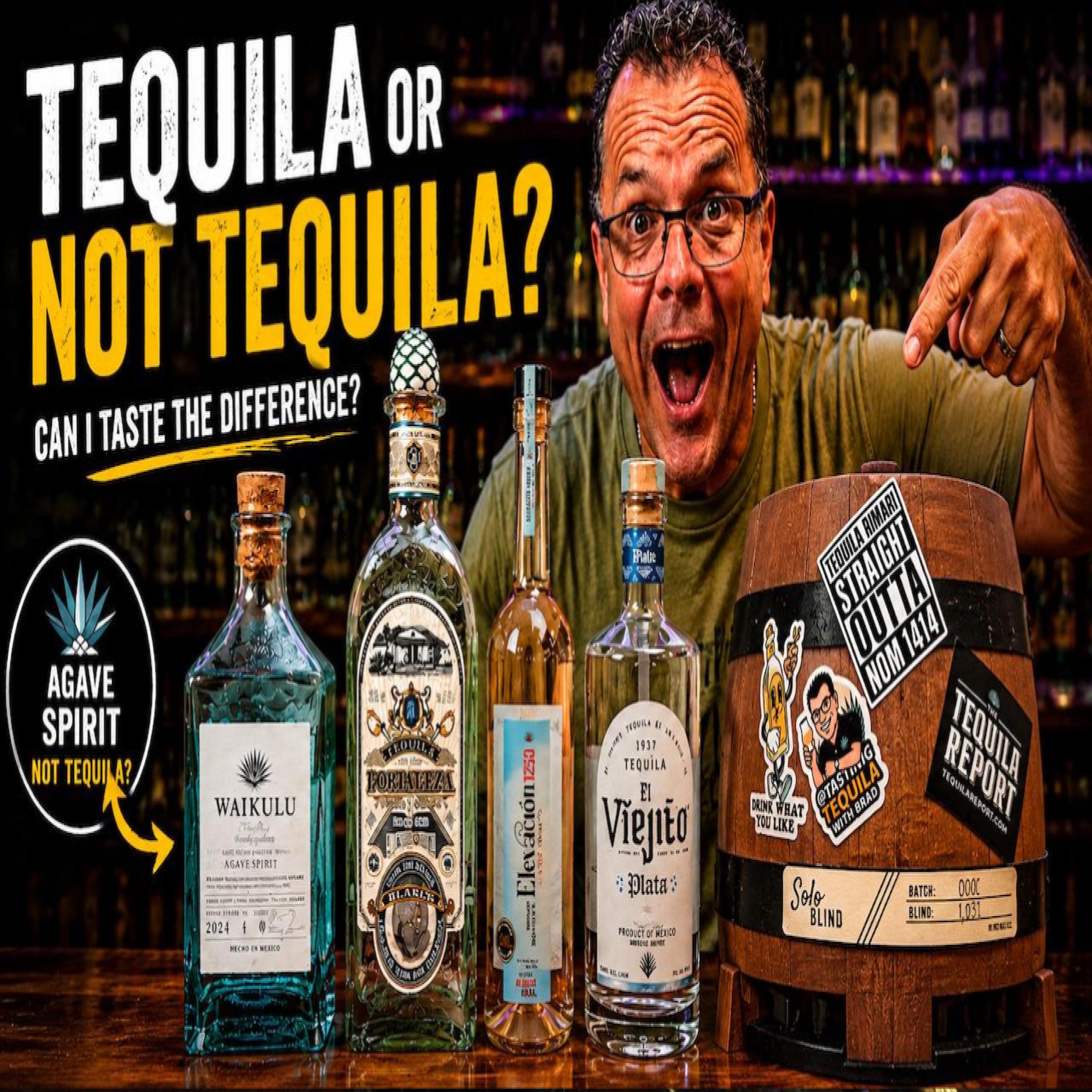
[00:00:00] Can I actually taste where these agave spirits and tequila come from? And more importantly, can I tell you which one of these isn't tequila at all? Today we're going to do a blind that's different than other four tequilas. Of course. We're doing Fortaleza Blanco, which is from the valley. We're going to do El Vijito Blanco, which is from the highlands. And we're going to taste this one right here, which is elevation 1250, which is a Rosa Blanco. You would think I'd be able to find that one. And we're going to have the, the Waikulu agave spirits, which is actually made with traditional processes and the agave are grown in Maui, Hawaii. I got to visit this distillery. I did an interview with Paul Turner. Definitely check it out and I want to see if I can actually taste which one of these is which. So if you want to learn about tequila and agave spirits, make sure you go over to the tequila report.com it is the biggest newsletter on the Internet. Comes to your email. Over 62,000 subscribers with amazing news about tequila reviews and insights that you won't get anywhere else. But maybe here with Tasting tequila with Brad. And the coolest thing about it, it's free. So definitely go check it out atthetequilareport.com. so now you know how this works. I filled these up earlier, I put names on the tags and I spilled tequila all over everything. We're going to pull this out of the solo blind. If you haven't got one of these things, definitely go check them out. Not a paid sponsorship because I got one for Christmas. I think it's freaking amazing. So these four agave spirits and tequila, the first thing we're going to do, really this isn't about which one's the best because these are all very good. I really like all four of these. I haven' had this one in quite a while. Last time I drank it, I remembered it being very citrus and agave forward. So I'm sure that it's going to blend right in with these. But I want to see if I can pick up Valley notes, if I can pick up Highland notes, if I can pick up the Rosa, and if I can go, this one's definitely not made in tequila. So what I'm going to do is I'm going to nose all four. I'm going to line them up to what I think they are. I may even actually put them in front of each one and then I'm going to taste them and then I'm going to describe them as we go and then try to tell you which one is which. So let's go here. Good cooked agave. Nice sweetness. A little bit of citrus, a little bit of minerality. Let's dive into this one again. Nice cooked agave. This one has a little more citrus to it, a little more orange, a little more lime, actually maybe even a little floral. Dive into this one again. Nice cooked agave. Kind of peppery.
[00:02:21] Really sweet cooked agave. That one. That's very good too. I mean, so far, amazing. A nice coat agave. A little bit of a funkiness, a little bit of an oakiness. I already know what this one is, right? So I'm going to say this one is definitely the rose.
[00:02:38] The other three, I'm honestly, I'm not. I'm not sure. There's. There's a citrusy ness that's in each one of these. That cooked agave is there. So I want to do the taste before I actually say which one I think is which. So let's dive into this one. Nice cooked agave. Very familiar. Nice profile. Really sweet. Nice peppery finish. Less minerality in that one. Really nice, sweet sweetness. A different sweetness than in the first one. It's a lighter sweetness, and there's definitely a. A different type of citrus that's there than what's in this one. Nice, cool cave. Nice. Citrusy. A little bit of caramel or vanilla in there as a blanco. That's really nice. Okay, I'm going to taste. Well, I got to taste this one. Even though I have a feeling I know what this one is.
[00:03:22] Rosa all day long. And if you haven't had a Rosa, if you haven't had this, I'm being very confident that I say this one is the Rosa blanco. It has this wine tannin note that is so present in finish of it. It dries up your mouth. You have this really nice coat. Agave. There's a little funkiness there. But then this. This wine note just takes over. So I'm gonna say I'm just gonna go ahead and pull it. We're gonna pull it right here. We're gonna go 1250 right there. So I think I can pick this profile up just about anywhere. So there you go. I got that one. I thought this was going to be easier. I thought they'd be more distinctly different.
[00:03:55] I drink this tequila a lot. I'm gonna say this one is Fortaleza, but I don't drink these two a lot. And they have something in common. These two have a A citrus that is just very common.
[00:04:05] They also have a cooked coffee that's common. But I will say this one has a richer mouth feel. Doing them side by side like that. This one has a richer mouthfeel. So I'm going to go here. And this one is a little bit lighter in the mouth, feel a little more watery. So I'm going to go there. Although this one is, let's see, 40 ABV. This one is 40 ABV. Oh, sorry. This one is 42 ABV. So there may be a little difference of what I picked up of that watery nest. I assumed that one was 40. This one here is 42 as well. And the good old Fortaleza Blanco is 40% alcohol. So first, I already revealed this one. Right. So we know this one is that one. So let's see what we have here.
[00:04:47] We have nom 1107. So nailed that one. We're going to see what this one is here. Fortaleza. This one says fort.
[00:04:56] Nailed that one.
[00:04:57] That means this one has to be Yakulu. And it is. So how about that? I would say the thing that gave this away was its lighter mouth feel. It's just a little more watered down, a little less of those agave oils. But I'm going to say this. If you get the chance to travel to Mexico and you can go to a Fortaleza and visit the distillery, or you can go see 1522 in a matatan, where Ileana Partida is making some amazing tequila. Definitely do it. Going to El Vijito is one that I have not visited yet. I so hope we get to visit there soon. It's in the town of Atatanico, which is in the highlands, Jalisco. It's one of the distilleries that brought me to tequila making. The very first Cabo Wabo. And I gotta say, this was really good. This is the first time I've had it. I've had the Mexican version. This is the first time I've had the American version. Phenomenal. And if you're in Maui, Paul Turner puts on a fantastic tour. And he's really built this his own way utilizing some very traditional methods. He's using a stone oven that he built. The agaves that grow there are giant. He's made this makeshift little to hona with this rubber wheel. And instead of the wheel going around, the tray goes around and crushes the agave inside of it. He's doing a closed fermentation method, but he actually created the yeast from scraping the pinkas right there. In the fields and he's got a really cool still. And I don't know if this one is three times distilled or twice, I don't remember from when we were there. But he does distill some of them three times. That also may give you the lighter flavors. But it's a really cool tour. It's a phenomenal place to visit. The only place you can get the agave distillate is there, so I'm going to tell you to check it out. So thanks for hanging out for this blind. This was a fun one. Can't believe I got them all right. But hey, I win every once in a while, so very cool. If you like blinds, if you like reviews, if you like learning about tequila, do me a favor, hit that like that subscribe button. Share it with someone that you know loves tequila. Put in the comments what you think of these three tequilas and agave spirits. And if you've ever been to Waikulu and tried it, I'd love to hear your comments on this one. Cheers. Sip wisely and man, I'm going to finish this off with this Rosa, because this stuff is so good. I think I need another bottle. Cheers. Have a great night.