Episode Transcript
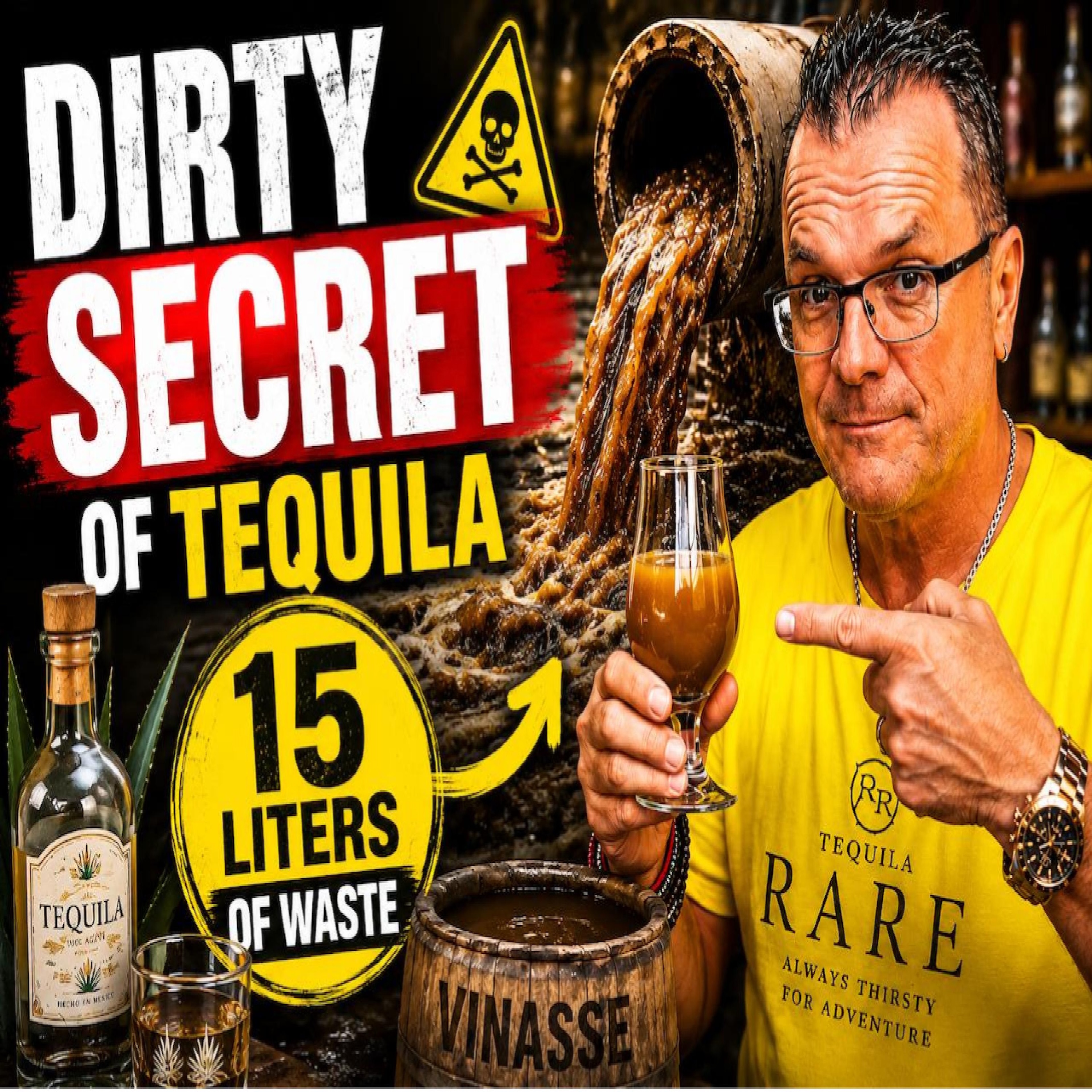
[00:00:00] Every time a bottle of tequila is made, there's a dirty byproduct that's left behind. For every liter of tequila produced, there's up to 10 to 15 liters of waste that can be created. It's called vinyasas. If it's dumped into rivers, lakes or fields, untreated, it can devastate an ecosystem. Today, let's talk about vinyasas and what it is and why it is such a challenge in tequila production and how responsible producers are dealing with it. I'm going to do that today. We're going to have this discussion while I have a little ramari, which is a tequila coming from 1414, where they treat all their vinyasas and we're going to drink a little bit of high award winning Agavos awards tequila. When people think about tequila production, they think about agave ovens, fermentation and distillation. But what happens after distillation is complete? Something is left behind and that liquid is called vinyasas. Vinyasas is a leftover liquid remaining in the still after all the alcohol is removed. Think of it as wastewater generated from distillation. It contains organic matter, acids, minerals, residual sugars, yeast remnants, plant compounds from the agave. The problem isn't that vinyasa is toxic. The problem is the sheer volume and concentration. To me, this is where things get really shocking. For every liter of tequila produced, distilleries can generate anywhere between 7 to 15 liters of vinyasas, depending on their production methods. Let's put that in perspective. If a distillery produces a million liters of tequila annually, that means they could create 7 to 15 million liters of vinyasa. That's millions of gallons of wastewater that must be managed responsibly. And think of this. Tequila production continues to grow year after year. That's where things get serious. Vinyasas have an extremely high organic load. When dumped into waterways, microorganisms begin breaking down the organic material. And as they do, they consume huge amounts of oxygen. That can lead to a few things. Fish kills, oxygen depletion, algae blooms, damage to aquatic ecosystems. Vinyasas also have a high acidity. Many samples have a pH between 3 and 5. To give you an idea, that's similar to some fruit juices, Dumping large quantities directly into the soil can alter soil chemistry and harm plant life. In some areas of Mexico, improper disposal decades ago created significant environmental concerns that push regulators and producers to seek better solutions. The good news is, many tequila producers like NOM 1414 are investing heavily in sustainability. One common method is anaerobic digestion, special bacteria that break down the organic matter that's inside these large treatment systems. During that process, they generate biogas, which can actually be used as energy. Some distilleries are using that energy to help power their operations. Others treat vinyasas through aer systems, evaporation ponds, water treatment facilities, filtration systems, composting programs. Some producers even combine treated vinyasas with agave fibers known as magazo and create compost that can be returned to the agave fields. I just spent the week at Jose Cuervo and probably seen the largest system ever to treat vinyasas and to build it back into their compost to put into the agave fields. At a company that makes 1.9 million liters of tequila today per year, it was pretty impressive to see how they're treating their waste and their compost and what they're doing to treat their fields sustainably. It was impressive. Now the challenge for small producers like NOM 1414 is cost. Large distilleries are able to invest millions into these treatment systems, while small family owned distilleries don't have those same resources. That's why sustainability has became one of the biggest conversations in the tequila industry. And how do we keep continuing to produce incredible tequila while protecting the land, the water that makes tequila possible? While tequila lovers love to spend a lot of time talking about additives and diffusers and faunas and brick ovens and high proofs, but one of the most important conversations should be sustainability. Because without healthy soil, clean water, and responsible farming practices, there's no tequila in our future. The best producers aren't just thinking about the bottle in front of you. They're thinking about the next generation of agave fields. And that includes how to manage vinyasa. So next time you see a distillery talking about sustainability, remember, they're not just talking about planting agaves. They're also dealing with millions of liters of vinashes that are created every year. And how they handle that waste says a lot about their commitment to tequila in the future. If you've ever thought about the process of the waste of making tequila, drop it in the comments. If you've seen anything at distilleries that really blows you away at how hard they're working for sustainability, or on the other side where they're not doing it right, drop it in the comments. And remember, have some ramari, drink some things from 1414 and enjoy tequila today. Cheers. Have a great night.