DOS LOCOS Blanco Tequila: Can 2% Traditional Production Change the Flavor?

October 20, 2026 • 00:04:53
DOS LOCOS Blanco Tequila: Can 2% Traditional Production Change the Flavor?
Tasting Tequila with Brad
DOS LOCOS Blanco Tequila: Can 2% Traditional Production Change the Flavor?

Oct 20 2026 | 00:04:53

/

Show Notes

DOS LOCOS Blanco Tequila: Can 2% Traditional Production Change the Flavor?

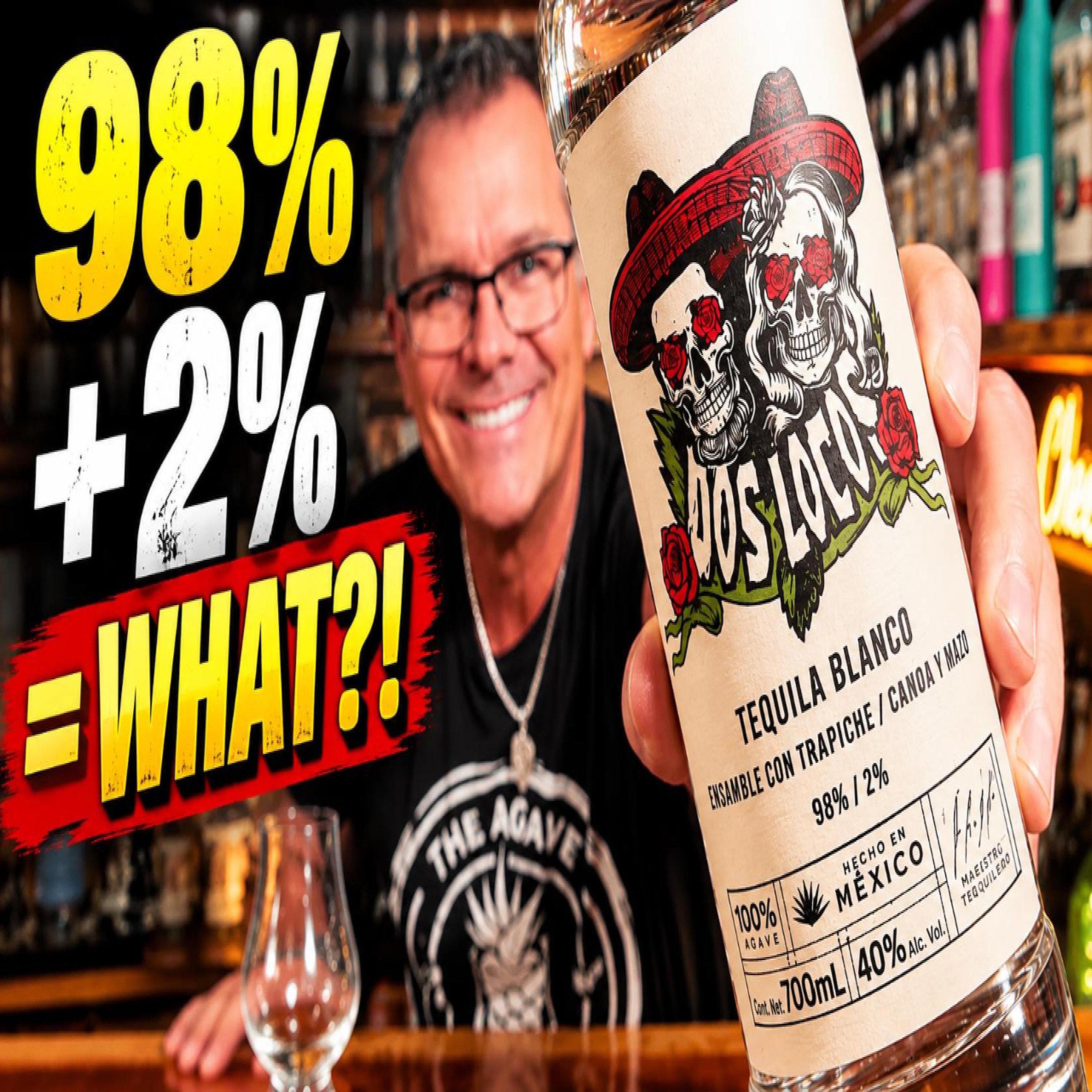
What happens when 98% of a tequila made using modern production methods is blended with 2% made using traditional techniques, including crushing cooked agave by hand with wooden mallets? In this video, I explore DOS LOCOS Blanco and its unusual production process.

Made at NOM 1459, Tequila Seleco de Matatlán, in Amatitán, Jalisco, this tequila blends two production methods using 100% Blue Weber agave.

The 98% portion uses agave cooked in an autoclave, crushed with a roller mill, fermented in stainless steel tanks, and distilled in stainless steel pots. The remaining 2% uses agave cooked in a traditional wood-fired oven made with clay and stone, crushed by hand using a wooden mallet and a canoa maza, fermented in open-air vessels, and distilled in a copper pot still.

Bottled at 40% ABV (80 proof), I taste DOS LOCOS Blanco and share my thoughts on its cooked agave, citrus, light pepper, herbal characteristics, subtle smoky notes, sweetness, mouthfeel, and finish.

I also discuss its affordability in Mexico and its expansion into U.S. retailers.

Have you tried DOS LOCOS Blanco? Let me know what you think in the comments.

Cheers, everybody!

Follow me:

Instagram: https://instagram.com/tastingtequilawithbrad

Facebook: https://facebook.com/tastingtequilawithbrad

© Tasting Tequila with Brad

View Full Transcript

Episode Transcript

[00:00:00] What happens when you take 98% of a tequila made using a modern production method and blend it with just 2% using techniques that go back generations, including crushing agave by hand with wooden mallets? Well, you get those locos. This might be one of the most interesting production stories I've come across in a long time in a budget friendly tequila. But here's why I'm curious about it. Can that 2% actually influence the flavor of the finished tequila? Well, we're going to find out if today. I originally discovered this bottle while I was down in Cabo San Lucas, Mexico. When you go into some of these stores in Cabo, you find a lot of the tequilas made at the same distilleries, 1477 and 1459. This one happens to be made at 1459. But when you're looking at some of those brands that are out of those distilleries, sometimes you find a little bit more of the tequilas that we consider smooth. Right? Some of the brands that Americans look to to find the flavor profile that's going to fit that silky, sweet, caramelly vanilla, cotton candy flavor. And I knew this one right away was not one of those brands because it is brought to you by one of my favorite importers, the Package Group. The Package Group works directly with producer owned products and they bring some of the best things into the country. And one of the brands they bring in is Eras Agado, and that is made by Roberto Real. And this brand is also owned by Roberto Real as well. Produced in 1459 Tequila Seleco de Amatan, located in Amatitan, Jalisco, in the valley region. And if you look really close at this label, what really got me was the 98% and the 2%. [00:01:41] I didn't know what that was, but in Spanish, artisanal and assemble, assemble is usually used in the terms of mezcal, where they're blending two different agaves together, but in this case it's all blue Weber agave and they're blending two different processes. So the idea behind this was to bring an authentic tequila with an interesting production process without charging premium prices. Now let's talk about this 98 and 2% blend. The majority of this tequila, 98% of it, is produced with blue Weber agave from the valley region of Jalisco. And the agave is cooked in autoclave. It's crushed with a roller mill, fermented in stainless steel tanks, and distilled with stainless steel pots. They also reported using natural spring water. Now here's where these things get interesting. The other 2% is a completely different process. The agave is cooked in a traditional wood fired oven made with clay and stone. And instead of a mechanical roller mill, they're using something called kanua wai maza. It is a wooden trough, kind of looks like a canoe, and they use a large wooden mallet. The workers actually crush the cooked agave by hand to extract those juices. Think about the amount of labor involved in doing that. From there, the juice is fermented in open air vessels and then distilled in a copper pot still. So there are two different tequilas, both made from 100% blue Weber Agave, but two different production methods. And then they're blended together. 98% of it is the modern method and 2% is the artisanal method. Now, this is a 700 ML bottle because it's in Mexico and it's 40% alcohol or 80 proof. So. So let's get this in the glass and let's see what it tastes like. [00:03:22] So let's dive into the nose of this one. It's got your normal agave flavor in the nose. You get all the citrus, the light pepper, all of the tasty notes that you would normally get. But there is just a small hint of a smokiness. All right, let's dive into the taste of this one. [00:03:38] I get a nice cooked agave. It's a little bit of a light mouthfeel. There's a natural sweetness there. There's some herbal characteristics. I want to say there's just a hint of a smoky quality, but it's not a lot. The mouth feels kind of light. The finish is not super long. It's peppery with a little bit of spice. Let's go back to a second taste. [00:03:58] First off, I'm going to say I like it. Cooked agave is there. The sweetness is there. There's a little nice citrus note. You get a little bit of the smoke, but not a lot. And I'm not a big fan of the smoke, so, you know, I kind of like it. It's. It's. This is supposed to be priced at a very affordable price in Mexico. I think I paid 320 pesos. So divide that by 17. That kind of gives you an idea of what I paid for it. So it's very cheap. This is expanding to US Retailers all over, including Total Wine and abc. So this is going to be a bottle that you're going to be able to find. So if you haven't had it, Dos locos blanco pretty good. If you're in Cabo San Lucas and you're looking for something really inexpensive that's nice to drink and you're at an all inclusive hotel that has really garbage tequila, grab it, take it back to your room and drink it. This would be a good one. Let me know what you think in the comments. And if you enjoy learning about people production methods behind tequila, make sure you subscribe and check out the tequila report.com for more tequila reviews and education. Until next time, drink better Tequila. Cheers everybody.

Other Episodes

Episode

September 16, 2025 • 00:03:35
Episode Cover

Inspiro Rosé Añejo Review | Only 900 Bottles Made!

Discover the rare Inspiro Rosé Añejo Tequila in this exclusive review. Only 900 bottles were produced, making it one of the most unique and...
Listen

Episode

June 17, 2026 • 00:29:37
Episode Cover

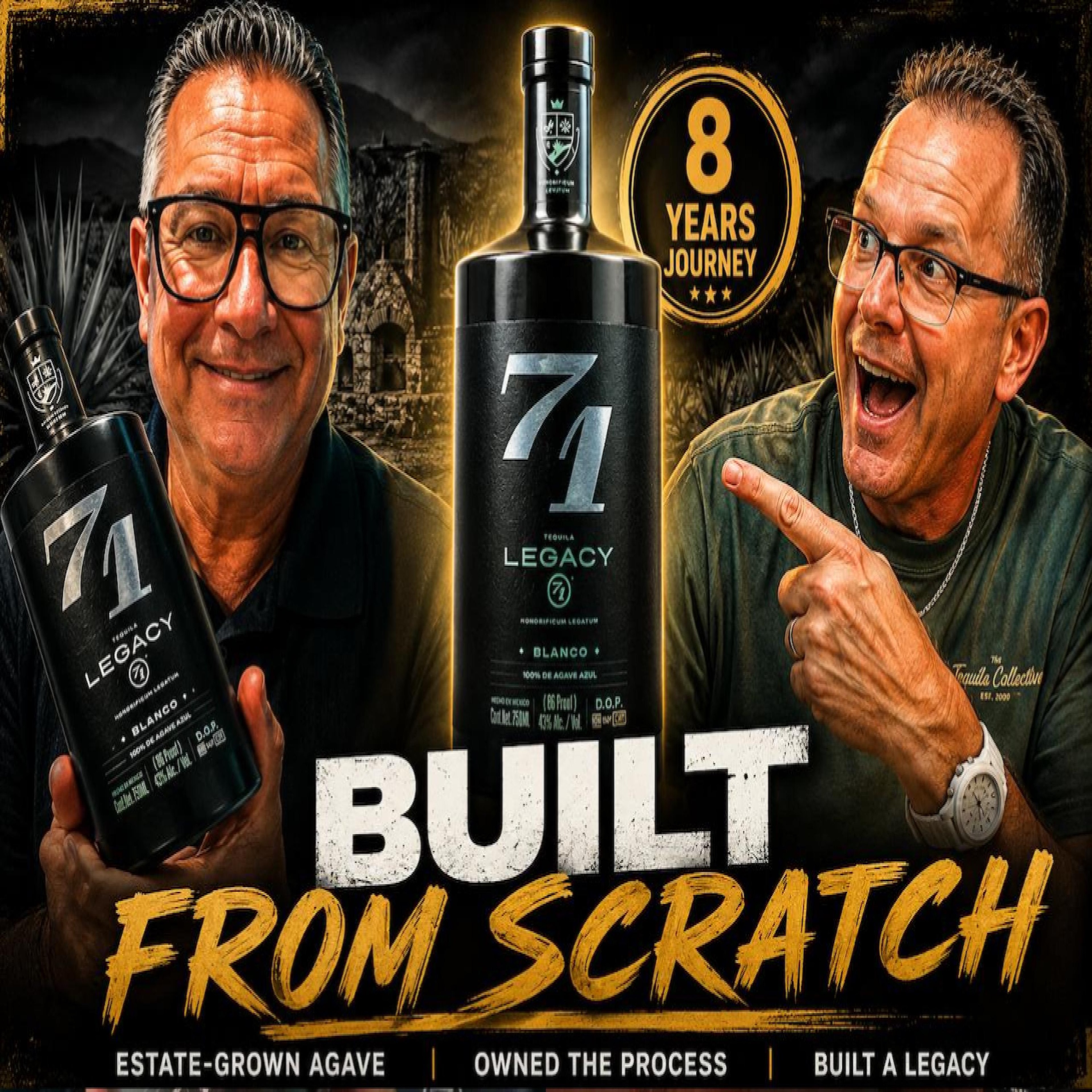
The Family Legacy Behind This Incredible Tequila | Legacy 71 Story

The Family Legacy Behind This Incredible Tequila | Legacy 71 Story In this exclusive interview, Legacy 71 founder Felipe Gonzalez shares the incredible story...

Listen

Episode

June 21, 2026 • 00:03:09
Episode Cover

I Thought This Tequila & Red Bull Combo Would Be Awful... I Was Wrong

I Thought This Tequila & Red Bull Combo Would Be Awful... I Was Wrong Can Coconut Berry Red Bull and Reposado Tequila actually work...
Listen