Episode Transcript
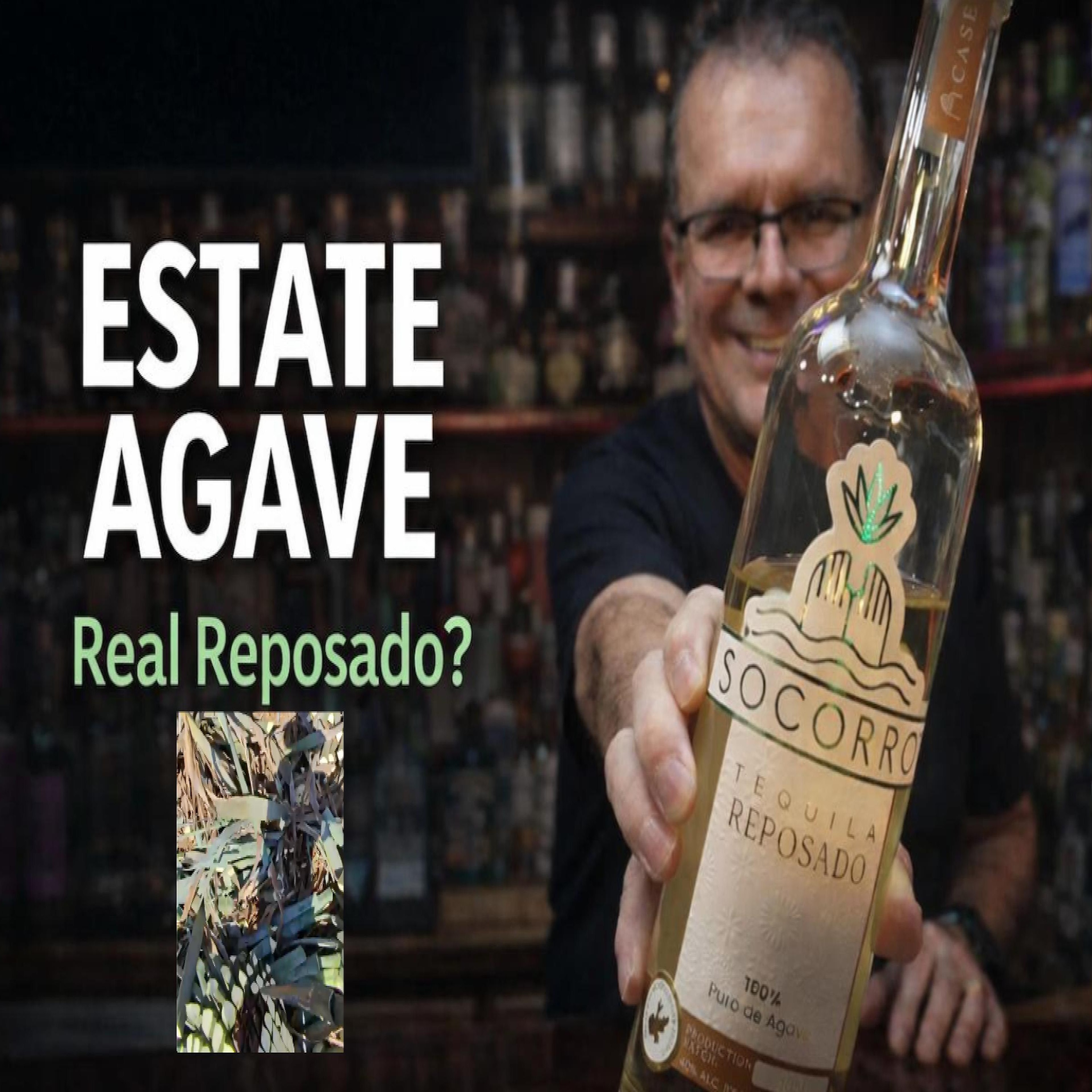
[00:00:00] Today I'm taking you inside something a little special. Socorro tequila reposado. It's not just for tasting. I'm going to talk about the harvest, the ovens, the fermentation, the distillation and what makes this tequila very traditional. This is made in nom 1610 estate grown agaves in Jalisco, brick ovens and 96 hour fermentation. And I've also got something that's really cool that I want you to see. A humidor harvesting agaves wearing metaglasses. You're about to see the perspective of a humidor. At Socorro, harvesting isn't just agricultural work, it's personal.
[00:00:34] They walk their estates, their fields and Alisco, hand selecting only the ripest blue agaves at peak sweetness. Pablo is always there with the team.
[00:00:44] Every pinka trimmed precisely with a sharp koa. Every P revealed with intention. And what you see right now is this perspective. That's what the harvest from a humidor's point of view is. You can hear the koa hitting the leaves. You can feel his rhythm and how he's hitting it. This isn't an industrial thing. This is from field to bottle. With respect. When you control your estate, you control your flavor. After that harvest, they're going to bring those pinas all halved. They're going to slow cook them in their brick ovens. Two full days of slow and steady cooking. They cook slow and it caramelizes natural sugars without scoring the agave. This is where depth starts. This is where complexity begins. Once cooked agave rolls into the roller mills, heavy corrugated cinders gently crush the fibers, extracting that musto, that sweet agave juice. They thoroughly separate all of the juice from that pagazzo, capturing every drop of what fermentation needs to begin. When it comes to fermentation, patience defines the outcome. Socorro blends pure agave juice with natural well water and a proprietary yeast and then gives it up to 96 hours for fermentation. They're not rushing it. The wild yeast inside the distilleries environment contributes to subtle complexity. This is how you build personality into a small batch tequila. Next step is double distillation. First round produces ordinario. It's cloudy, it's low proof, it smells a little funny and it definitely tastes funny. Second is where the artistry happens. Heads and tails carefully removed. And what's left? The hearts. Clean, smooth, nothing added, nothing masked, just great still strength tequila. From that point, they're going to proof it down to their 40%. And their reposado rests for four months in New American oak barrels with a light char. Just enough oak to add some caramel and vanilla, but not enough to bury the agave. All right, let's get it in the glass. This is one that I've been enjoying for a little while.
[00:02:40] Keep in mind their blanco is the tequila that you can get on American Airlines. All right, let's dive into the nose immediately. I get this cooked agave. I get a little bit of this nice, funky note. Some vanilla, some white oak. Actually a little bit of cinnamon as well.
[00:03:00] Cinnamon is nice. Okay, let's dive in.
[00:03:03] Roasted agave is there first. Then a caramel and vanilla roll in with some citrus. Mid palate, there's a little lingering, like a pepp pepper, almost a vegetal type pepper. But then I just get cinnamon and vanilla. The finish I really like, it's oaky, it's vanilla, and it's cinnamon. A little bit of sweetness. It's really nice and balanced as well. In a market full of diffuser brands, additives, and rush production, Socarlo is doing this the old way. If you care about what's in your glass, this is worth your attention. Sicara reposado non 1610 estate tequila done traditionally. Let me know in the comments if you've tried it. Tell me if you prefer agave forward reposados or do you like a little more barrel? As always, if you like tequila reviews, hit the like button, subscribe button. Share it with your friends, and just make sure that you're always drinking better tequila. Cheers.