Episode Transcript
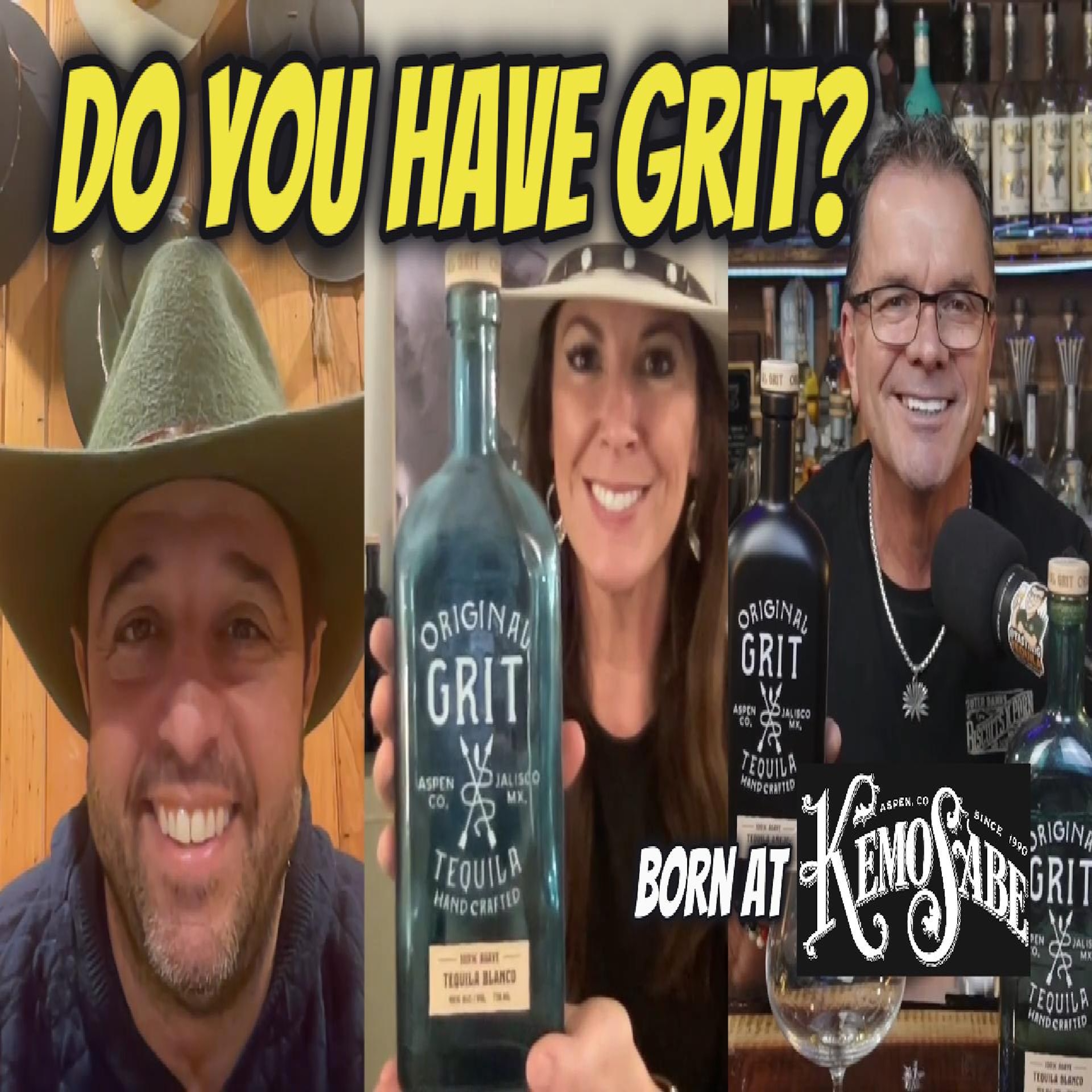
[00:00:00] Speaker A: Do you have grit? You'll know after tonight. We're going to interview Michael and Paige. Michael's the founder and Paige helps make the whole thing work. For Original Grit Tequila, we're going to talk about the relationship with Kimo Sabe, an amazing store out west. And you're going to learn some great information about this tequila right here. Stick around. This one's pretty cool.
It's tasting tequila with bread.
All right, guys, I'm fired up to be here tonight. We got an exciting, exciting one with what's probably going to be a new tequila to most of you. Original Grit Tequila. And I'm here with Michael and Paige and we're going to talk about this tonight. How are you guys doing tonight?
[00:00:42] Speaker B: Good. How are you?
[00:00:44] Speaker A: Fantastic.
[00:00:44] Speaker C: I'm great. It's always good when you're tasting tequila.
[00:00:47] Speaker A: Well, it's always good having. I always have a good time tasting tequila, so that's awesome. So let's start with you, Michael. Why don't you tell everybody a little bit about you, where you're at and what do you do?
[00:00:58] Speaker B: Yeah, My name is Michael Clower. I've been in the liquor business my whole life. Our family dates back pre prohibition in Chicago as distributors. Our grandfather, great grandfather always said we, we sell brands that are just as good as and then they started selling the real brands like Bacardi, Hoya, Hennessy, Gallo. And in 2002, they sold to Southern Wine and Spirits in Chicago. I was already working in the warehouse and working on the streets and I just kept going. So, you know, started my own wholesaler and since then have sold that and learned a lot about what brands can, can and can't do out in the market and had an amazing opportunity with my partner Wendy, who owns Kim Wasabi to start Original Grit Tequila. And that was about four years ago that that started. So long history in liquor business and excited to go out and have my own brand now.
[00:01:49] Speaker A: That's very cool. What about you, Paige?
[00:01:52] Speaker C: Well, you know, Michael and I have a lot in common and kind of this brand ties into that, which is just like generational, kind of like a big rich history and love for tradition. And ironically, I grew up with Michael's wife and our kids are friends, so it's like we're they're second generation pals. And I love that about our relationship as coworkers. I've been working for Michael for almost five years now. But my biggest history would probably be just love for hospitality stewardship, mostly the culinary side. And then when Michael wanted to start this new Brand I kind of used my like nerdy side of my brain to really dig into operations and kind of help him with more of the day to day doing while he got to help Wendy with the blending and artistry. Somebody had to go through with a fine tooth comb and like figure out all the compliance and legal, all those things. So that's what I've been doing since day one with my Vaughn. The brand, it's been new stuff, learning every minute, every hour, every day. So it's been super cool.
[00:02:51] Speaker A: So how did the relationship with Kimosabe and the idea of a tequila even come together? Because this is like two different worlds.
[00:03:00] Speaker B: Well, it first started as a sickness, as you can see here.
Kimasabi has probably one of the most contagious shopping experiences I've ever experienced, where it's just a party. You go in, you're greeted by one of their wranglers with a cocktail and you kind of go shopping. And every store has a bar so you know, you're, you're shopping and drinking. And Wendy, who started there well before she became owner, has kind of cultivated the customer experiences. Just make the customers happy. And as first I was a customer. And Wendy started making her own hats when she took over in 2020, then started making her own boots, her own belt buckles, curating her own jewelry. And we were at my daughter's birthday about four years ago, I was like, you know, Wendy, you're giving this tequila away like it's water. You need to have your own tequila. And she said, I don't know how to do that. And I was like, well, I think I can put you in touch with the right people. And the journey started there where we tasted 12 different distilleries products. She had a profile she was trying to go after we landed on the Letizia Partita, the Partita family in Amatitan, Mexico, which is in between Guadalajara and tequila. And then we went to work. We got, went to the distillery about four or five times to kind of get the right blend or get the right product that we were looking, that Wendy and I were looking for. Wendy did all the design, all the marketing and creation of the bottle. And then together as a team with her wranglers and some people on my team, we came up with the three different blends of the blanco, the reposado and Yale.
[00:04:28] Speaker A: And how long ago did you bring it out? When did it start?
[00:04:31] Speaker B: Food and wine and Aspen. Food and wine of June of 2025. Okay, so very new, very softly.
[00:04:38] Speaker A: And for those who don't know what Kimo Sabi is, give a little shout out to there.
[00:04:43] Speaker B: Kimosabi is a western high end apparel company that was founded in Aspen in 1990 and it was really founded for ranchers with their horse saddles and cowboy boots and cowboy hats. And it slowly became trendy. There's seven locations now across the country. Roundtop, Texas is the only non ski town. Then you got Park City, Utah, Jackson Hole, Wyoming, Whitefish, Montana, Vail Vail, Colorado, Aspen, Colorado. They're about to open. Sun Valley, Idaho and Park City, Utah. So they're in affluent ski towns, but it's, you know, you know, Real Housewives, tv, TV shows, other celebrity sightings. Jeff Bezos was there two days ago getting, you know, Mariah Carey and Aspen. So it's a scene. But they make quality products. They're all handmade. Wendy likes to say, bringing grit back to America where everything is, you know, nothing's made in China. Everything's made in America. In America. And then with Mexico, like Mexico, we got the question asked. They, they, they brought a lot of that cowboy western to the United States as the United States was kind of developing in the, you know, the early ages. And that's kind of where the cowboy, Mexico, tequila kind of all comes together.
[00:05:57] Speaker C: I think another thing that makes Kimo Sabe really a place everyone wants to go is, you know, in a world where customer service has kind of died, their motto is make everyone feel special.
[00:06:08] Speaker B: Special.
[00:06:08] Speaker C: And you walk in there and you feel really, really, really well taken care of. Whereas even at a restaurant today, sometimes half your servers have a cell phone out, right? You don't, you get a really awesome, like hands on, one on one special experience and you feel special. And so people go back because that, that leaves a memory, you know.
[00:06:27] Speaker A: Yeah, I've, I've looked at a lot of the things they have. The boots are absolutely awesome. The, the hats are great. My son lives in Denver, so it sounds like this is going to be a little trip next time we go out there.
[00:06:36] Speaker C: Yeah.
[00:06:37] Speaker B: Let us know when you go. The bar. The bar there is fun.
[00:06:39] Speaker A: That's awesome.
[00:06:40] Speaker C: Yeah.
[00:06:40] Speaker A: So how did that relationship come together? Did you guys know each other already?
[00:06:44] Speaker B: I was a customer and Wendy and I became friends and yeah, it was just, it was just by being there, like, like Paige said, they make everyone feel special.
So they, you know, my daughter celebrates her birthday there usually every year. My son has celebrated his birthday there. My wife and I go there all the time on, you know, when we're in town and it's, it's like it's a, it's like a community up there. It's like a family up there and it's really a special place.
[00:07:10] Speaker A: Okay, so you've, you've been around liquor your whole life?
[00:07:13] Speaker B: Yeah.
[00:07:14] Speaker A: Tell me your true relationship with tequila.
[00:07:18] Speaker B: It's started off bad and then got better. Honestly I was a, probably the last 10 years more of a whiskey consumer than anything. You know, got to go down to Kentucky a lot and being in the business got to see distilleries from know. We sold the first bottle of Breckener's Bourbon outside of Colorado. We sold the first bottle of Bargetown and Green River Resurrected Green river in Illinois out of Kentucky. First bottle of Chattanooga whiskey first. Like you can go down and down these whiskeys that we've, we've sold from bottle one.
[00:07:49] Speaker C: Don't forget, don't forget Malort. Michael, I know you're bragging about high end brands here, but we sold a.
[00:07:55] Speaker B: Lot of Malort too in our day. And you know, I, I fell in love with that. And then I got to go down probably six or seven years ago at my first distillery in Mexico I ever visited was the Partita family.
[00:08:05] Speaker A: Okay.
[00:08:06] Speaker B: And it was actually with Addictivo. It was with Gildardo's 40th birthday party. You know, I tasted their 14 year bottle that they released that day and I was like, wow. You know, there's a lot of oak in it. A little bit sweeter than my taste, but a lot of oak. And I was like, wow, this is, there's a lot more to tequila than salsa or patron or you know, casamigos with grapefruit and sodas. I started, you know, then really exploring tequila. Like the extra nieos. There were different reposados. The additive free became really like really attractive to me. I love mezcal, but I would say it wasn't until like probably the second or third time I went down there with the Kimosabe team and our team where I really, you know, the harvesting of the, you know, we're using 10 year old agave. Being out in the field, seeing the hard work that it takes just to take one agave out of the field, you know, they're still using a lot of horses out there and not as much machinery as you think. The stills, 50 years old. So there's a lot of synergies between what I knew and loved about whiskey to the, you know, the, you know, the time it takes to make tequila. So, you know, it's relatively new for me, the passion of tequila. But the way that they make you feel when you're out there visiting is, it's special. You're, you're part of the family first day you get there.
[00:09:17] Speaker A: True. I mean, and it's, it's amazing how fast you become friends with so many of these people.
So much so that I head to Mexico in a couple of weeks to run Ileana Partitas 10k run in a Matatan, which is a fundraiser for. Oh yeah, the children's group. Ileana is just so awesome. Like, okay, well I'm going to run a marathon in Disney and a week later I'm going to go fly to Matata to run her 10k. So it's special place, special people, special place for sure.
[00:09:45] Speaker B: Actually it's a lot like Kimosaba. You go in there and your family day one too. That's a lot of synergies there. Tizia Partita, the matriarch of the family, the mother, her and Wendy just can't speak each other's language, but they just touch each other and use their hand signals and it's, they're in love.
[00:10:03] Speaker A: That's awesome.
[00:10:04] Speaker C: There's just so much laughter between the two of them without being able to understand a single word that the other one is saying. So just like human joy, you know what I mean? Yeah.
[00:10:15] Speaker A: What about you? What's your relationship with tequila?
[00:10:18] Speaker C: Well, unlike Michael, I've always had a very positive relationship with tequila. I never had that one night in college that messed me up. But you know, I always joke that I am kind of your, I'm not your tequila dork. I'm not a tequila connoisseur. I'm a, I'm a enthusiast of having a really good time. And so when I was working for Michael at the wholesaler, everyone get hung up on, well, is it additive free? Is it additive free? And I, I was the only one in the room who would raise my hand and say, I'm your consumer. And I've never asked that question in my.
Now your buyer might ask that question and your really well versed, you know, spirits enthusiast might ask that question. But your average 25 to 45 year old tequila consumer, maybe it's shifted now, now that it's such a big thing to talk about. But it's something I never really worried about until we started to create this brand together.
[00:11:11] Speaker A: Sure. And that, that makes sense. And I think there's been a shift because people are more conscious of what's in your food, what are we eating, what are we drinking.
[00:11:20] Speaker C: Right.
[00:11:21] Speaker A: None of us ever thought about Chemicals being added to bourbon or tequila. If you'd have told me that a glass of bourbon potentially had caramel coloring and added glycerin, I'd have been like, what?
But guess what? So then learning about that also drove me down that road in the tequila world.
[00:11:42] Speaker C: Yeah, it's interesting. I never knew about it at all.
[00:11:45] Speaker A: I just had a. I have another podcast, and on that we had a successful gentleman here in Indiana who makes his own vodka. It's called Husa Vodka, and it's distributed in Indiana. And I asked him point blank, do you have to add any glycerin or anything to your vodka? And he looked at me like I was speaking another language. And he's like, what are you talking about? So we kind of went down that rabbit hole, and three days later he called me and he's like, I've talked to my buddies that I'll make vodka, and I'm the only one that didn't know you could do that. Like, he'd never fixed a batch by adding glycerin and changing the mouthfeel to what it was supposed to mean. He's like, you've ruined me. I didn't think anybody did that. So that has been a growth in. And I think all spirits people are finding out more about what are we drinking? Where's it made? You know, who. Who makes it? So that's good that you guys had that mindset.
[00:12:36] Speaker C: It's interesting because it's not really regulated by the fda. Right. The label requirements don't require disclosures, so it's interesting to learn so much about it and how important it really is.
[00:12:47] Speaker A: So just at the stores, or is it available at the consumer level at other places?
[00:12:52] Speaker B: Yeah. So right now we're in Utah and Montana at the store and some local spots. Colorado's getting full distribution through Breakthrough.
Illinois is full distribution through Romano. Our online sales have been phenomenal. You can order online through our website. And we just launched Texas, and I'm going down to Florida in a couple weeks to launch Florida.
[00:13:15] Speaker A: So where did the name come from? Where did this cool name come from?
[00:13:19] Speaker B: So the hats that Wendy makes are called grit hats.
[00:13:22] Speaker A: Okay.
[00:13:24] Speaker B: So that's kind of where the name came. She calls them, you know, the og.
They're the OG Hats.
[00:13:30] Speaker A: Yeah.
[00:13:32] Speaker B: And that's. That's where the name came from.
[00:13:34] Speaker A: Very cool. I like the pin. The. Yeah, that's awesome.
[00:13:37] Speaker B: Wendy actually studied reptiles in zoology in college. So the snake is the symbol. The snake on the logo is.
Oh, very cool. Is that. And then the Arrow. Bow and arrow is kind of a nod to the western.
[00:13:54] Speaker A: And look at you pulling things out of your hat like a cowboy.
[00:13:57] Speaker B: I got my matchbook ready to go.
[00:14:00] Speaker A: That's very cool.
[00:14:01] Speaker B: Yeah.
I think Paige has a knife in hers.
[00:14:05] Speaker C: I do. This one.
They're actual real knives. So if you ever find yourself, you know, in a pinch in your Kimosabe $3000 hat with nothing but your little charcuterie knife, you can definitely fend for yourself in that wood.
[00:14:18] Speaker B: Good for margarita lime, you know, cutting wedges for your margarita.
[00:14:21] Speaker A: You guys are in Chicago, right? So you might need those, you know.
[00:14:25] Speaker C: Just to get to the car. Just to get to the car.
[00:14:28] Speaker A: Just to get to the car.
[00:14:29] Speaker B: Exactly.
[00:14:30] Speaker A: That's all.
[00:14:31] Speaker C: So the other thing that I think is cool about the logo is it really goes in conjunction with the brand, which is to try and make this custom bottle look like an old western, like tincture bottle. Right. That you would see in the. In a doctor's office or someone in the village who was the only person who had a way to fix everyone's ailments. And so to me, this looks kind of like an elixir symbol as well.
[00:14:55] Speaker A: So now I agree. And I like the way, like, you can't see it on the video, but the bottle's not like shiny glass, smooth, it's rough, like an old. Like an old bottle would look. And I like the way you put, you know, put all of the things in the glass.
[00:15:11] Speaker C: That was actually intentional, Michael. Remember we wanted to infuse the impurities back into the bottle.
[00:15:16] Speaker A: Yeah.
[00:15:17] Speaker C: So that after decades of decades of glass making, they finally gotten all the impurities out of glass. So we had to come up with a way to pipe it back in. Yeah. So there's little tiny, inconsistent air bubbles all throughout the bottle to make it feel a little more.
[00:15:29] Speaker A: It turns out great. I mean, I think it's really cool. That was one of the things when, when the blanco showed up, I was just like, wow, what an awesome bottle. Like, yeah. And it's, you know, it's not all about the pretty bottle. We know that. But it is about presentation. And when you have a really good looking presentation, you can stand out in a bar on a shelf. People will buy it. So that's. It's very cool. Let's talk about the process of how you guys are doing the blanco. What's the do, you know, like the full process of how they're making it.
[00:15:57] Speaker B: Yeah. So we're using 10 year old agaves. So we're waiting 10 years to harvest them, which they're probably at the peak of their ripeness and we take those and we burn them in a wood burning fire, cook them and then they're being smashed in an old school tona right in at, at the Partita Families distillery. And from there it goes into the 50 year old still. It's right underneath the tojon. It goes right down there. And then anything that's being aged right now is in French French oak barrels and we might be switching that with new products coming out, but right now it's all French oak. For the blanco, we're using an Anejo Crystalino.
25% of that blanco is in Yale Cristalino. So that is a, a blend. So 75% true blanco and then 25% crystallino finish.
[00:16:48] Speaker A: How'd you come up with that idea to do a blend with the Crystallino?
[00:16:51] Speaker B: You know, we were, we were just going, we wanted something a little bit higher end. We weren't looking for something that necessarily was only made to mix cocktails. It's great in cocktails, but we wanted something that stands alone on its own, whether neater, on a big rock or on the rocks. So that's kind of why we finalize that blend.
[00:17:08] Speaker A: You're going to release the Crystalino on its own as another sku.
[00:17:12] Speaker B: We, we could, right now, we don't have plans to, but we could. I mean, right now our goal is to, you know, we are, we're going to come out with three seven fives that fit in your boot. So like a cowboy flask that gets in your boot. We have some, you know, different, you know, packs coming out that are more seasonal that, that we'll come out with. But right now it's, we're going to stick with these three and maybe do like, maybe an overproof blanco, potentially different barrels with different distilleries on the bourbon side that we have friends with, that we're friends with, to kind of do some collabs with them, even some wine. We've talked about getting some wine finished barrels, but we're going to have fun with it. I mean it's, it's, you know, we're going to, sure, we'll make plenty of mistakes, but we're going to try to, you know, get creative with different ways to drink tequila. Kind of like the way bourbon kind of gradually did all their ltos. You had, you know, wine finished bourbons, you had overproof, you had bottle and bond, you had even beer beer collabs with Bardstown and Goose Island. So we're Going to get creative with it.
[00:18:08] Speaker A: So the repo are you doing like is everything a blend of that crystalino.
[00:18:13] Speaker B: Before it goes in?
[00:18:14] Speaker A: So this is going to be just your standard.
[00:18:16] Speaker B: The repo is our. The repo is our blanco.
[00:18:20] Speaker A: Okay.
[00:18:20] Speaker B: Aged in French oak barrels. And then 25% of that is extra ANEJO.
[00:18:27] Speaker C: So it's 75% repo, 25% extra ANEJO. And what this particular distillery does with their extra anejo is they age it for five years when the minimum age gate is three years. So you get a ton more toasty mapley caramelly notes because of the infusion of the extra anejo in the rebel blend.
[00:18:46] Speaker A: Gotcha. So, and then anejo, how long are they. What's your blend of this one?
[00:18:51] Speaker B: That's 90% extra Anejo, 10% Krystalina.
[00:18:55] Speaker A: Okay. That's the first time I've heard of those kinds.
[00:18:57] Speaker B: Yeah, it's unique. I mean the extranejo was a little bit too oaky on its own, so we tried to smooth it out with the Cristalino. Extraneo is great, believe it or not, with a lemon. Just on a big rock with a lemon. It's a cocktail in itself.
[00:19:09] Speaker C: I'm also excited you haven't tasted that one because it's the most unique of the three blends that we've created. So it'll be fun to see your in person reaction and your first tasting.
[00:19:19] Speaker A: I'm going to hurry up and finish this blanco so I can pour them. And this, this is a cocktail, by the way. It's. It's a glass and it's tequila and that, the cocktail. And honestly, that's how I drink to 90% of the tequila I drink. I'm very seldom, if I'm at a restaurant that doesn't have a brand that I like, I'll have that put into a paloma if there's nothing else to drink.
[00:19:38] Speaker C: Yeah, so this one I like a lot too. It has more vegetal notes, you know, on the nose. Smells a little bit more herbal, a little bit more like the agave plant.
[00:19:45] Speaker A: Itself compared to Vaya's agave. To me there's a, a little bit of a funkiness which I really like in all tequilas. If they can get that funky malolactic a little bit in there. And this doesn't have that, you know, it's not overwhelming or anything. It's. I just pick up a little hint of it. I really like that finish, is it's got a little bit of pepper in it, but not, not an overwhelming amount. But having that crystalino makes sense. Cause you, when most blancos, you're going to have a tohono blanco, which you're probably doing some fermentation with fibers would be my guess as well. That usually gives you a lot of pepper. Right. A lot of heat in your finish. And this is very tame for it being tohono.
[00:20:27] Speaker C: It is. It's a little bit. A little hot, like you said, but it's not. It doesn't catch you at the back of the palate, you know, with the acidity or anything.
[00:20:34] Speaker A: Yeah, yeah, it's good.
[00:20:36] Speaker B: So we went the matte black bottle on the anejo. Really? We can, we can sign it, we can put messages on it with a nice marker. It opens up a lot of possibilities for gifting. And believe it or not, it's our number one seller right now.
[00:20:50] Speaker A: I can believe it. And the matte black is cool. I mean, it's, it's got a great look to it. And matte. Matte anything right now is. Yeah, kind of cool. Anyway.
Okay, so this has more cooked agave in the nose than what I actually got in the blanco. It's got a little bit thicker cooked agave smell. It's got a nice earthiness too.
And you've been in a barrel house, so you know the smell, I'm going to say, I say it smells musty and people think that's like a negative, but it's not. It's that smell in that barrel room, you know?
[00:21:22] Speaker B: Yeah, you get a little of it for sure. I mean, these barrels are. I love their, I love their facility. You've sounds like you've been there, but it, it's like narrow aisles and every single square inch is.
Is, you know, store in barrels right now.
[00:21:36] Speaker A: Yeah. Now when you mentioned how they're cooking, you. You mentioned they're. They're cooking in the wood fire.
[00:21:41] Speaker B: Yeah. So we're using the wood fire on the back of the distillery. They have all those. So it's all wood fire.
[00:21:46] Speaker A: Is the still. The still you're talking about? It's not the wood fired still though. Right. It's the other still.
[00:21:52] Speaker B: It's the wood still in the basement that you.
No, it's not wood.
[00:21:56] Speaker A: It's not wood fired. Right.
[00:21:57] Speaker B: It's not wood fired up. Okay, but it's a wood.
Yeah, it's a wood still. But not the.
[00:22:02] Speaker A: Yeah, not the, not the ones outside where they actually use firewood to heat them.
[00:22:06] Speaker B: No, no, it's in, it's inside.
[00:22:08] Speaker A: Inside. Okay.
That's actually got a little more heat too. Caramel's nice. Did you say French oak?
[00:22:16] Speaker B: Yep. French oak.
[00:22:17] Speaker A: Yeah, you can get that French. Almost like tannic. I call it like a tannic note a little bit like you would in a wine, but like, it does more in French. There's a little bit of a. A little bit of a stone fruit in this to me as well. Like maybe apricot. That's nice.
[00:22:31] Speaker B: That's.
[00:22:31] Speaker A: That's nice.
[00:22:32] Speaker B: It was definitely naturally on the sweeter side, which were we were aiming for.
[00:22:36] Speaker A: It's mouthfeel, too.
[00:22:37] Speaker C: So I always say everyone has a different favorite, and it's hard for me to pick a favorite because they're my children, but as long as the others aren't listening, this one's my favorite. It's so unique, so different. It's not like any tequila I've personally ever tasted. And admittedly, I haven't tasted all tequilas, but, you know, when we're doing tastings, you know, at a bottle shop, and someone says I couldn't possibly try tequila, this is the one I start them on because it's just not as traditionally tequila esque.
[00:23:05] Speaker A: I actually get a little bit of cinnamon and a little bit of a.
[00:23:09] Speaker C: Ton of like fall spices, like clove, a little star anise.
[00:23:12] Speaker A: Yeah. A lot of baking spice, barrel spice, cinnamon. And it's got Cristalino in it, huh?
[00:23:17] Speaker C: 10%.
[00:23:18] Speaker B: 10% Cristalino?
[00:23:19] Speaker A: Yeah.
[00:23:19] Speaker C: And keep in mind, they use extra anejo to make the Cristalino, right, Michael? It's not just anejo.
[00:23:24] Speaker B: Yeah. So the crystalino is anejo Cristalino, as opposed to a reposano Cristalino.
[00:23:29] Speaker A: Do you know what their process they're doing to make the Cristalino?
[00:23:32] Speaker B: I do not. That's a great question. I could find out, but I don't know what the exact process is for.
[00:23:37] Speaker A: A lot of times, Crystalinos are secrets. Like, they don't like to tell what their whole process is.
[00:23:43] Speaker B: I know it's charcoal filtered. Yeah, I know that much. But I don't know much more than that.
[00:23:48] Speaker A: You know, I don't say this very often. This would go great in an old fashioned.
[00:23:53] Speaker B: Oh, yeah.
[00:23:53] Speaker A: That's what I always think about cocktails. Very.
[00:23:55] Speaker C: Yes.
[00:23:56] Speaker A: Yeah.
[00:23:57] Speaker B: We have some accounts that are doing like 50 old fashions with that. And they sell.
[00:24:01] Speaker A: I would do. I would make it agave, old fashioned, and I would add like a really.
Like a mezcal that has a lot of pepper and heat to it. I'd Add a little bit of that into it, that'd make a great old fashioned. Yeah, that's great. What's the, what's the price point on this?
[00:24:17] Speaker B: The Suggested retail is 129.99. On the, on the Anejo, that it's 90% extraneo, 10% crystallino. So the, the juice is expensive.
[00:24:26] Speaker A: Yeah.
[00:24:26] Speaker B: The blanco is about 99, 99. And then the reposado is right in between 114. 98.
[00:24:33] Speaker A: I do, this is very interesting. I do, I can tell you that I do like this.
[00:24:36] Speaker B: Thank you.
[00:24:37] Speaker C: So the Internet says that this particular distillery, the crystallino stuff, merely admits that they use activated charcoal. Is that unique or is that just the charcoal filtration in general?
[00:24:49] Speaker A: You know, I've been to several distilleries that make a crystallino, and they'll always say, you know, we're using a charcoal filter. And, but then there's more to it than that. In a lot of cases, when I see a Crystalino that's absolutely crystal clear white, then they, they have to do something to strip it all out. But there are some crystalinos out there that I'm not a crystalino guy. Like, I'm, I, I, I struggle with understanding. Let's put it in a barrel, let's age it, let's make it beautiful, and then let's rip all that color out of there and make everybody think it's a blanco. We're yet to have a bourbon crystallino, right? Like, we wouldn't even think about doing that. Like, could you imagine if McAllen came out and went, hey, we, we did these 15 year sherry barrels and, and then we charcoal filtered them before we put them in the bottle, you'd be like, what are you people thinking? So to have it, have the flavor of the agave still there and the flavor of the barrel still there, they've got to do something to do that in your filtering system. And if you're just doing charcoal filter over and over again, you're, you're stripping it. So there's, I think each person has a little bit different technique that they don't really like to share. You know, this is our, you know, secret to doing it. We know some of the brands, you know, the secret to doing is strip it out and then we'll add all the flavors back in afterwards and throw it in the bottle, you know, but.
[00:26:08] Speaker C: All good family recipes should omit an ingredient or two or a step or two. So you can just never perfect it without grandma, right?
[00:26:17] Speaker A: 100%. I ask these questions a lot about yeast strains, you know, when I'm talking to master distillers and some of them go, you know, it's natural, it's wild, it's ambient, it's propagated from our own, you know, Pinkus. And then other people go, that's prep. Proprietary. I'm not going to tell you. You know, so I get it. You know, there's. It's about making a product that people like and, and watch the thing that makes it a little different. And I think having a little bit of crystalino in your blanco is. It's a very interesting idea. And then this is really good. Oh, I'm. I'm impressed with that. The, the repo is, was very tasty as well. The repo was a little sweeter for my personal profile. So the, the beauty to tequila for me is the magic in the juice is the juice itself. It's not the barrel like in bourbon. Right. We none of us drink a white dog, so, you know, knowing that these barrels are French oak and you've got some different things going on is pretty impressive. So you think maybe a high proof coming out?
[00:27:12] Speaker B: Yeah, I think we'll have a high proof coming out soon.
[00:27:16] Speaker A: Yeah, High proofs are all the rage.
[00:27:18] Speaker B: Yeah, it is.
[00:27:19] Speaker A: And do you think you'll ever launch an XA?
[00:27:24] Speaker B: Not probably not with the 90 extra.
[00:27:27] Speaker A: Yeah, you kind of already.
[00:27:28] Speaker B: Yeah, we kind of already have it. I don't think so. Unless, unless we did it with a different barrel. Maybe like if we use a different, like maybe bourbon or different, like maybe a whiskey barrel as opposed to French oak, it would be a completely different taste profile, but maybe, maybe that we would make just an extra. But right now I think, you know, we, we contemplated extra or just in yeho and we kind of went with an yeho with mostly extra in it.
[00:27:52] Speaker A: Yeah, that's pretty cool idea.
With you being in, in the liquor business your whole life. What's the thing that jumping into opening a tequila brand made you go, what the hell? Like, what's the most surprising thing about starting a tequila brand?
[00:28:07] Speaker B: Well, Paige took care of most of this, but the TTB and the CRT regulations were eye opening to me. That was probably the most learning on the whole journey was, you know, you can find the distillery, you can find the juice, you can get the bottles, you can get the, you know, logo or, you know, but once you have to get, you know, the CRT and the TTV involved and what you can and can't have on the bottle, that was probably the most eye opening to me after that. You know, I've dealt with sales reps my whole life and motivating them. You know, I feel like we got a good grasp on incentives and, you know, educational events for the staff as well as the retailers.
We've got a good grasp on how to engage with the consumers at store level, at restaurant level. Online was new online. Understanding the online business was, was, was new to us.
You know, it. Now it's our, now it's our job to get it to move off the shelves. Talking with people like yourself, educating the consumer about it.
We're lucky with the partners that we have that there's going to be a lot of press and PR around it. With the celebrities that go in and out of Kim Wasabi on a daily basis. We get a lot of, you know, our online orders, like I said, are phenomenal there, you know, a lot of people seeing it and ordering it online have been great, but we need to get it in the, in the retailers and in the restaurants, and that's kind of, you know, we can only take it so far. So our, our goal is to, you know, probably the next five years get to 25 states and then, and then see what's next. But it's fun. It's a lot of fun. It's a fun brand. My favorite thing, you know, what my most shocking thing was? You know, everyone says they love, you know, your firstborn. Oh, you're the cutest baby. And, you know, I'd be selling products with, with owners of brands and hit 10 accounts. All 10 accounts loved it. And the next week, two of them actually bought it. And, you know, then I got to go to the owner and say, hey, you know, yeah, they said they liked it, but they're never going to tell you they don't like it to your face. And to see people taste it without me there and get the response that I've gotten from people, that's been the coolest thing and very cool. You know, some people hate it, some people don't like it, some people, you know, and that's fine. It's their profile.
[00:30:14] Speaker C: We've gotten rid of them.
[00:30:16] Speaker B: Yeah. For the most part, the response has been phenomenal. And it's been really exciting to watch people gravitate towards the brand and buy it and reorder it. And our reorder rate's been phenomenal, the.
[00:30:27] Speaker A: Good part, you know. So what about you, Paige? What's been kind of the thing that you've learned the most out of doing this?
[00:30:32] Speaker C: First of All I've always kind of just even someone who loves to look under the hood or be behind the scenes, you know, if I'm in a taxi cab in my 20s, I'm asking if he owns the medallion or if he's a renter. Like, where did you. What's your history, your story? So, like, just understanding all the moving parts that create something that, like, we all take for granted. How much work goes into getting this bottle to you, to the consumer, to get the liquid developed. Michael saw me go, like, it brought me to my knees many, many days. Mike, don't talk to me. I'm Google translating on WhatsApp, and I'll be doing it all day long.
[00:31:09] Speaker B: I mean, Paige was on her way to Tijuana to go.
[00:31:12] Speaker C: Tijuana?
[00:31:13] Speaker B: Yeah, Tijuana. To meet a truck, to try to cross over the border so we could launch for food and wine.
[00:31:17] Speaker C: Let's edit that editing. Just for the record, that did not happen.
[00:31:22] Speaker B: It did not happen, but I was.
[00:31:24] Speaker C: Willing to is the point. I'm like, we have a deadline.
[00:31:28] Speaker A: Hey, I. I know a lot of tequila that's came over in the back of a pickup truck. So, yeah, it happens.
[00:31:34] Speaker C: So, I mean, so it was all those things.
[00:31:36] Speaker A: So what's been. I'll start with Michael again. This is. This is your first brand of all alcohol, right?
[00:31:42] Speaker B: Yes.
[00:31:43] Speaker A: So what's been the most rewarding piece that you didn't expect in creating a brand?
[00:31:48] Speaker B: That's a great question. You know, again, just seeing people respond to the brand when they. When they touch it, feel it, taste it. I mean, people are buying hats and T shirts and, you know, they're really gravitating to the brand beyond just the tequila. And that's been. That's been pretty cool. I mean, it's. You know, all the brands that I've sold in my life, I treated like they were my own, probably to a fault. Where we over serviced, over, you know, just. I loved them all. And to see our own and the work, it's gone with our team to get to where it is just to see it. You see the pallets coming into the warehouse for the first time. The truckload coming into the warehouse for the first time, it's like, wow, that's our product. That's, you know, that's ours. That's not, you know, that's our money that bought that. That's our, you know, that's that. So that's kind of. That's been pretty cool.
[00:32:31] Speaker A: What about you, Paige?
[00:32:32] Speaker C: I would just say I was so proud to finally see it, touch it, taste it, feel it, open it. Like so much blood, sweat, and tears and so many decisions went into every little detail.
So to see it come over the border and come into Illinois, into the warehouse, I was just really, really proud to be part of something that I helped create from scratch. You know what I mean? So now we just want to, like, share that enthusiasm and vigor with all the consumers who are interested in being part of the brand and understanding the story behind it. You know, this is made for people who like to have a good time. Right. It's not. We're not on the bad end of customer service, but we want to really kind of like, spread and explode the word of original grit so that more people have the brand. We have more brand awareness, for sure.
Yeah, I'm proud of it. Yeah.
[00:33:22] Speaker A: You know, we had to be guys out there with original grit tattoos at some point.
[00:33:26] Speaker C: Oh, well, I should have. We'll also brand you next if we can go to Mexico with you.
Forget tattoos bad.
[00:33:34] Speaker A: Yeah. I don't know that I want to get branded. That looks painful. I'm a big baby.
That's very cool.
[00:33:42] Speaker C: We haven't done any people yet.
[00:33:44] Speaker A: No people yet that they know of.
Yeah, maybe in Tijuana.
[00:33:49] Speaker B: And I tried to get Wendy to brand us, and she wouldn't do it.
[00:33:52] Speaker A: Yeah, I'm not. I'm not signing up for that. Yeah, not at all.
[00:33:55] Speaker C: Don't take no pronouncer. Michael.
[00:33:57] Speaker A: Yeah, I. I want a tattoo. I just keep chicken it out. So I don't have a tattoo either. I keep saying I'm gonna get a tattoo.
[00:34:02] Speaker C: Well, we do have temporary fake tattoos with the logo, so I will send you a fake tattoo, and you can try it out.
[00:34:08] Speaker A: Those are non painful, non painful.
[00:34:11] Speaker C: Zero pain.
[00:34:12] Speaker A: Okay, so this is my favorite question to ask. You're going to get an advantage, Paige, because you're going to have time to think about it. Michael's not. Okay, first, brand your tequila. We talk about our babies a lot and how this is one of our babies. This is your baby. If you could pour a glass of whichever one you want to pour, sit down and share the story and the glass with any person alive, dead, family, famous. Who would you want to sit down and pour a glass of this with and sip through it and share the story.
[00:34:44] Speaker C: I'll go first. Kevin Costner. Michael.
[00:34:49] Speaker B: Kevin Kassner.
[00:34:49] Speaker A: That's awesome. And he's aware of the hats, if I'm not mistaken.
[00:34:53] Speaker B: He's a very. He's aware of the tequila.
[00:34:55] Speaker C: Kevin.
[00:34:55] Speaker A: I'VE loved you.
[00:34:56] Speaker B: He's very frequent Aspen star. He's aware of the tequila. You know, I would probably pick an athlete that has gone through a lot of grit, and I have a daughter that's big into sports right now.
I would probably pick Caitlin Clark, where she's not had an easy road and has paved the way for a lot of women and, you know, Kimosabe and grit. You know, there's a lot of women involved. Kimosabe is, I think, 83% women grits. You know, there's a lot. I am the only guy a critical.
So I would probably say Caitlin Clark and I would start with the blanco and you know, refreshing and kind of that. That's who I would pick.
[00:35:37] Speaker A: Well, she's in Indianapolis. Maybe we can figure out to make that happen somehow.
[00:35:41] Speaker B: I mean, she's, she's inspiring my daughter and she inspires, you know, inspires me for everything she's done uphill. Not easy.
[00:35:50] Speaker A: You know, I, I, you never throw rocks at a, at a tree that's not bearing any fruit, right?
[00:35:55] Speaker B: Yeah.
[00:35:56] Speaker A: And she's bared a lot of fruit, and I know people give her a really hard time, but she's, she seems like she comes through it pretty strong on just about everything.
[00:36:04] Speaker B: She's got a lot of grit.
[00:36:06] Speaker A: Yeah, a hundred percent.
[00:36:07] Speaker B: But if I had to do a second one, I'd pick Marcus Freeman in Notre Dame. That would be my.
[00:36:12] Speaker A: See, I don't know who that one is.
[00:36:13] Speaker B: He's the head coach of Notre Dame.
[00:36:15] Speaker A: Okay.
[00:36:16] Speaker B: Got as much grit as a, as.
[00:36:17] Speaker A: A. Yeah, he, he had a tough year this year without making it into any of the, into the championship. Right.
[00:36:25] Speaker B: Yeah. That's a whole nother two hour conversation.
[00:36:27] Speaker A: Yeah. Well, I grew up here in Northern Indiana, and then I lived in Bloomington for many years.
[00:36:33] Speaker B: Oh, so you're going to the Rose Bowl?
[00:36:35] Speaker A: Not that I'm not that old.
[00:36:36] Speaker B: Are you going this week? This week?
[00:36:38] Speaker A: No, I'm not that big a fan either because I grew up under the era of iu, never winning a football game. Yeah, IU had a great basketball team, and I, I haven't followed their basketball since Bobby Knight left. That's, you know, Bobby Knight made IU basketball fun to me.
[00:36:54] Speaker B: Yeah, it was entertaining.
[00:36:56] Speaker A: So, you know, it was really cool to get to see IU do what they did. Like I said, not a huge fan. My daughter did go to iu, but I, I kind of jumped on the bandwagon a little bit there at the end. It's like, that's pretty cool when they beat Ohio State. It's like. Okay. That's pretty cool.
[00:37:09] Speaker B: I grew up in Granger, Indiana.
[00:37:10] Speaker A: Oh, no kidding? Yeah, I'm from Wabash.
[00:37:14] Speaker B: Yeah, I used to play soccer there.
[00:37:15] Speaker A: Oh, no kidding.
[00:37:16] Speaker B: Yeah.
[00:37:16] Speaker A: Probably not when I'm there, because I'm probably 20 years older than you. Be my guest.
[00:37:21] Speaker B: 612 years. Okay.
[00:37:23] Speaker A: It's close.
[00:37:24] Speaker B: Yeah.
[00:37:25] Speaker A: All right, guys. Well, this has been awesome. I appreciate you coming on.
[00:37:28] Speaker B: Thank you for enjoying tequila with us.
[00:37:30] Speaker A: Yeah, this is awesome. So do you all have a glass?
[00:37:32] Speaker B: I do not. Paige, cheers for me.
[00:37:34] Speaker C: Cheers.
[00:37:36] Speaker A: Brad.
[00:37:37] Speaker C: Thank you.
[00:37:38] Speaker A: Thanks for doing this, guys.
[00:37:39] Speaker B: Thank you, Brad. Thank you, Paige.
[00:37:41] Speaker A: Have a great night.
[00:37:42] Speaker B: Yeah, you too. Bye.