Episode Transcript
[00:00:00] Let me ask you something. Have you ever walked into a liquor store, looked at two bottles of tequila and automatically assumed that this darker one was better? Reposado on Yeho, extra on Yeho. Darker means smoother, darker means higher quality. Darker means premium, right?
[00:00:17] Not exactly. Today we're busting one of the biggest myths of tequila. First off, let's get this straight. Tequila starts out clear.
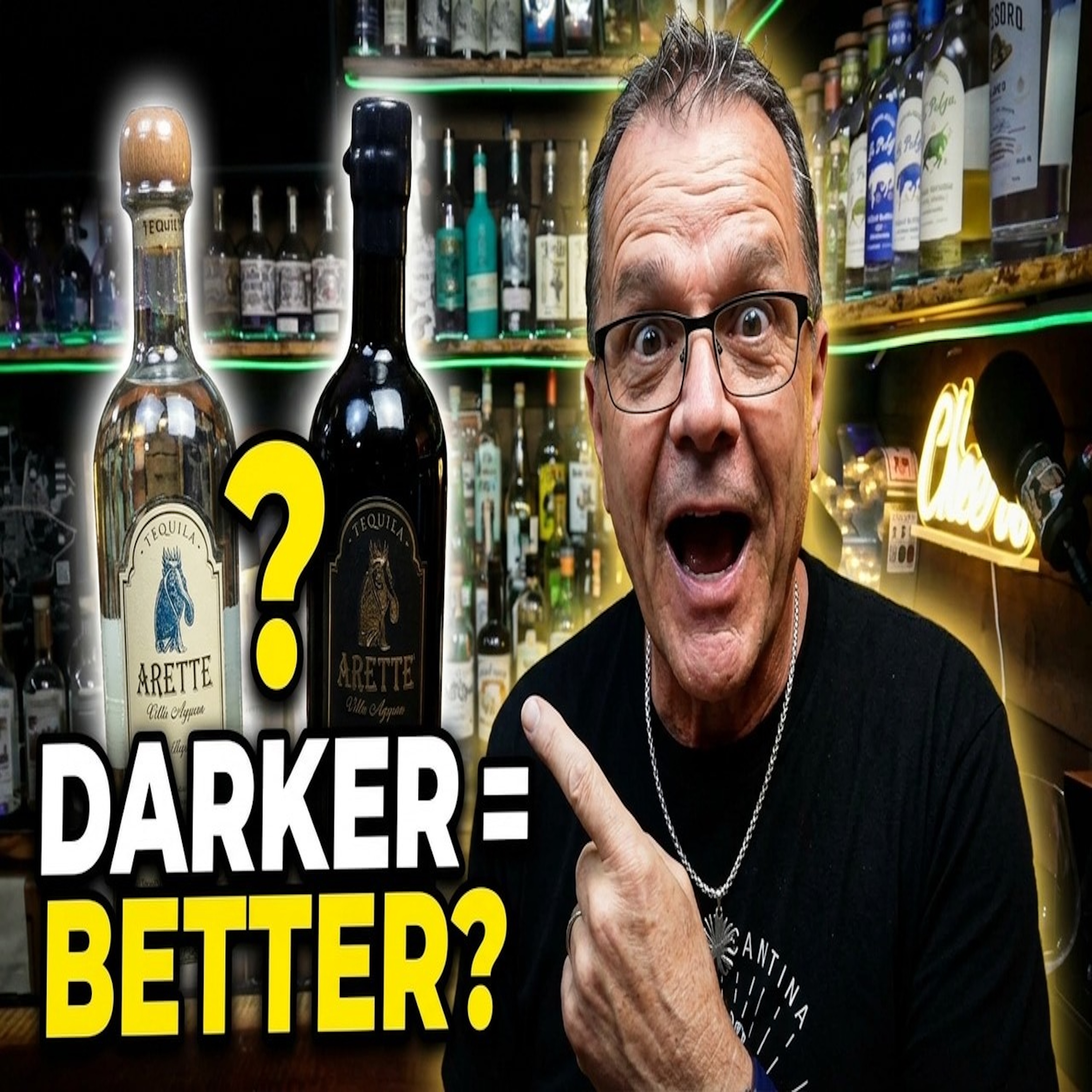
[00:00:26] Even the most expensive extra anejo begins its life clear as a blanco. So where does the color come from? It comes from barrels. When you rest a tequila in an oak barrel, usually ex bourbon barrels, but also a lot of French oak barrels, it pulls color, flavor and aroma from the wood. An example, fortaleza reposado, six to nine months rested el tesoro anejo, that one right here, rested one to three years. And terra alta extranejo is three years. Plus, the longer it sits in the wood, the darker it gets. Much like this Arete grand cla extra anejo. That's a dark one. And this is a fantastic tequila. But it started out as a fantastic blanco. Something else that's important to know is color can also come from additives. Caramel coloring can be added to tequila within its legal limits to make it look darker and more luxury. Here's the kicker. Color does not tell you how old were the agaves. Did they do this with traditional cooking? What was the method of extraction? Was it a roller mill or a tona? Or did they use a diffuser? Is it additive free and does it taste good? You can have a light colored anejo that is absolutely incredible or a really dark celebrity owned anejo that has the taste of cake batter and vanilla syrup. Here's where people get it wrong. They think that a blanco is entry level, but actually a blanco is the purest expression of agave. No barrel influence, no oak masking flaws. When you drink a great blanco like Emerald Spear or G4 or Gascoigne, you taste the land, the water, the fermentation, and that's real quality. So darker tequila, it is better.
[00:02:14] Older doesn't automatically mean superior. Better means quality. Agave, traditional production, no shortcuts, balanced flavor. Some of the best tequilas I have drank have been crystal clear. So when you're looking at an anejo or an extra anejo, don't do it based on color. This is a fantastic anejo and this is a fantastic extra anejo. And yes, it's a little bit darker. But don't spend your time worrying about color. Do some research about the brand. Go to Agave Matchmaker and look at the the method that that tequila is made. Look at the ratings that other people give it before you buy it. And if finding out if a tequila is good or not, start with their blanco. If they have a good blanco, their extra anejo is going to be good too. If they have a bad blanco, their repo anejo and extra anejo are going to be bad as well. Next time you're shopping, don't buy with your eyes, buy with your knowledge. And if you want to bust more tequila myths, make sure you subscribe and like and share this video. Subscribe. Tell me in the comments, do you prefer a blanco, a reposado, a nonejo, or an extra anejo? I can't wait to hear your thoughts. And remember, know what you're drinking.