The Tequila That Stole a Pisco Idea? Siempre Exclusivo Vivo vs. La Madrina Pisco

August 20, 2026 00:04:40
The Tequila That Stole a Pisco Idea? Siempre Exclusivo Vivo vs. La Madrina Pisco
Tasting Tequila with Brad
The Tequila That Stole a Pisco Idea? Siempre Exclusivo Vivo vs. La Madrina Pisco

Aug 20 2026 | 00:04:40

/

Show Notes

The Tequila That Stole a Pisco Idea? Siempre Exclusivo Vivo vs. La Madrina Pisco

What if one of the most unusual tequilas ever made borrowed a production philosophy from Peruvian pisco?

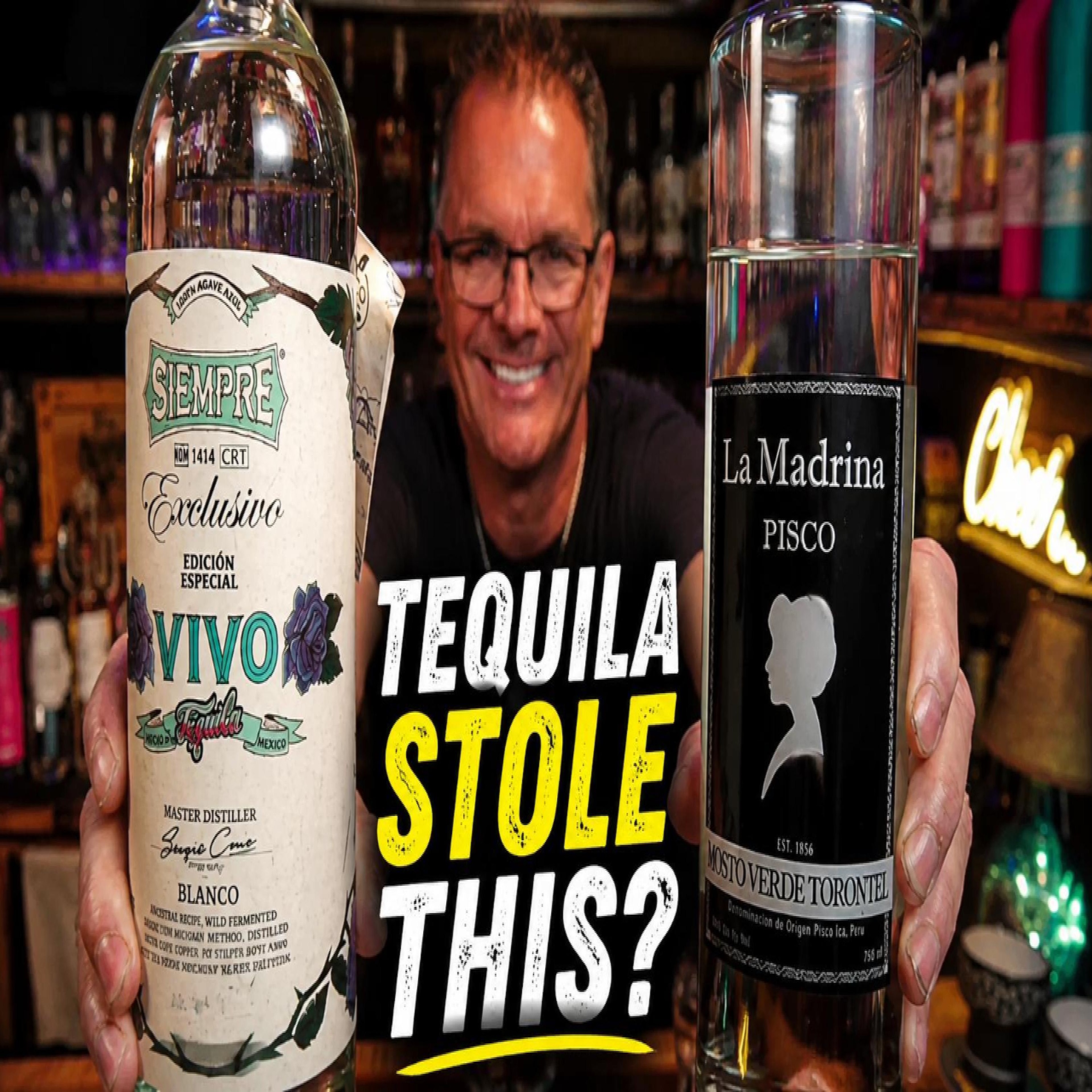
In this episode of Tasting Tequila with Brad, we explore the fascinating connection between **La Madrina Pisco** from Peru and **Siempre Exclusivo Vivo**, a unique tequila made with Sergio Cruz at NOM 1414.

Pisco and tequila may come from completely different agricultural products, but once you look deeper into how they're made, the similarities become fascinating.

We take a closer look at Peruvian pisco, its denomination of origin, recognized grape varietals, terroir, fermentation, distillation, and the unique **Mosto Verde** production method.

Then we turn our attention to **La Madrina Mosto Verde Torontel**, made by Fondo Tres Generaciones, also known as Bodega Don Juanita, in Peru's Ica Valley. The Torontel grape brings a completely different sensory experience, with aromatic, floral, and citrus characteristics.

From there, we explore **Siempre Exclusivo Vivo**, a fascinating tequila created with inspiration from the concept of distilling while yeast is still active. Made with 100% Blue Weber Agave from Jalisco, Vivo uses roller-mill extraction, wild open-air fermentation, and double distillation in copper pots.

Brad explains why the connection between **Mosto Verde Pisco** and **Siempre Exclusivo Vivo** is so interesting—and why tequila and mezcal enthusiasts should pay closer attention to pisco.

**Siempre Exclusivo Vivo**

**La Madrina Pisco – Mosto Verde Torontel**

**Peruvian Pisco**

**Tequila from Jalisco**

**NOM 1414**

‍ **Master Distiller: Sergio Cruz**

If you're interested in tequila, pisco, agave spirits, traditional production methods, fermentation, distillation, and the stories behind the spirits we drink, this is an episode you won't want to miss.

Have you ever tried a Peruvian pisco? Have you tasted **Siempre Exclusivo Vivo**?

Let us know in the comments what you think about the connection between pisco and tequila.

If you enjoyed the video, please LIKE, SUBSCRIBE, and turn on notifications for more tequila reviews, spirits education, and behind-the-scenes stories from the world of agave spirits.

Cheers, and have a fantastic night!

Subscribe to The Tequila Report (FREE):

https://tequilareport.com/subscribe

Follow me:

Instagram: https://instagram.com/tastingtequilawithbrad

Facebook: https://facebook.com/tastingtequilawithbrad

© Tasting Tequila with Brad
View Full Transcript

Episode Transcript

[00:00:00] What if I told you that one of the most unusual tequilas ever made borrowed a part of its production philosophy from Abisco? Once you understand pisco, you're going to realize it has a lot more in common with agave spirits than you probably thought. This is La Madrina Pisco from Peru. If you're an agave nerd like me, this stuff gets really interesting really fast. Because pisco has a denomination of origin, where it's produced matters, the raw material matters. There are different varietals, production methods. Sound familiar? With tequila, we're constantly talking about blue Weber agave. And when you get into mezcal, we can spend a day talking about espadine, toba, Lar deposate and all of the different agaves. Well, Pisco has its own version of that. Peruvian pisco can be produced with eight recognized grape varietals. Those different varietals give you completely different drinking experiences, and La Madrina gives us a perfect way to explore that. They're produced by Fundo Tres Generations, also known as Bodega Dana Juanita in the Ica Valley of Peru. With the history going back to 1856, La Madrina means the godmother. The name honors Donna Juanita Martinez, who learned the craft despite originally being forbidden from working in the distillery and ultimately helped establish a legacy that continues through generations of women. Now, I don't have all of the bottles here in the video, but you've got a Cabranta, which is a non aromatic grape that gives you deeper dried fruit characteristics. You have a Enchilado, which is a blend of grape varietals, in this case, Cabrinta Italia and Torrentel. And you've got Torrentel, it's an aromatic grape that's going to give you a completely different direction. How much floral and citrus character to an agave drinker? I want you to think about these as different agave varietals. Same spirit, same completely different raw materials and completely different sensory experiences. But this bottle is where things get interesting. This is the La Marina Musto Verdo Torntel. Musto Verdo isn't simply another grape variety. It's a production method. Instead of allowing fermentation to completely finish before distillation, you're distilling partially fermented grape must. And if you're a tequila drinker, you're thinking, brad, we've heard something like this before because we have seen Siempre Excluso Vivo. Siempre worked hard with Sergio Cruz at NOM 1414 to make one of the strangest tequila experimental I've ever come across. Viva is inspired by this historic old Peruvian production concept where they began distillation while yeast is still alive. You've simply got two completely different agricultural products. Grapes from Peru, blue Weber agave from Jalisco with a fascination, philosophical connection during fermentation and distillation. Now, it's not exactly the same process. Traditional Peruvian musto verde deliberately interrupts fermentation and instills that partially fermented must. Siemphre took the inspiration from the idea and adopted the concept of distilling with active live yeast in the tequila. The vivo is still tequila cooked. Blue Weber agave roller mill extracted wild open air fermentation, double distillation in copper pots. That's what makes this so fascinating to me. Because the deeper you get into the spirits, the more you realize tequila isn't living on an island. Pisco producers, they're talking about terroir too. They're talking about the grape varietals. They're talking about how fermentation works. They're making decisions about exactly when to distill. They're also using copper pots. They're protecting their traditions with the denomination of origin. And one thing that really blew me away was, is in distillation, they distill it to proof. They don't distill it to a higher proof and then proof it down with water. You're trying to make cuts to get the spirit to come off the still exactly where you want the finished product. Think about how much skill that requires from the distiller. I think that's one reason mezcal drinkers and tequila drinkers should pay a little bit more attention to pisco. Don't think of it. That only belongs in a pisco sour. Approach it in the same way we'd approach a great agave spirit. Where was it grown? What varietal did they use? How do they ferment it? How is it distilled? And what did the producer do differently? Because whether we're talking about Torrento grapes growing in Peru or blue Weber agave growing in the highlands of Jalisco, the real fun starts when you stop looking at just one category and one bottle and start looking at how the spirit is actually made. And I have to say, I'm going to pour some of this vivo to end my night because it is so good. And Siempre has always done amazing things. So if you like this video, let me know in the comments. If you've had a pisco, let me know about that. You're not going to find any pisco in the tequila report, Only tequila. So check it out atthetequilareport.com. hit that like and subscribe button if you haven't lately. Cheers. Have a fantastic night.

Other Episodes

Episode

October 19, 2025 00:03:44
Episode Cover

The Mezcal Made for the Dead? | Prolijo Pechuga Día de Los Muertos Review

Prolijo Mezcal Pechuga “Día de Los Muertos” is a spirit with soul — literally. Crafted in Etla, Oaxaca, by Maestro Mezcalero Óscar Ramírez Santiago,...

Listen

Episode

May 27, 2025 00:04:47
Episode Cover

Jackfruit Barrel Tequila?! Reviewing Long Island Lou’s Lost Lore Pick

Jackfruit barrel tequila?! In this video, I review the new Lost Lore limited release — aged in jackfruit barrels and selected by Long Island...

Listen

Episode

July 17, 2026 00:02:38
Episode Cover

Best Tequila Brands for Every Back Bar? | Must-Have Tequila Picks

Best Tequila Brands for Every Back Bar? | Must-Have Tequila Picks If you're opening a tequila bar or building an agave-focused restaurant, what tequila...

Listen